In the world of high voltage (HV) electrical systems, ensuring the safety and reliability of equipment is paramount. One critical device that serves this purpose is the HV Insulation Fault Relay. This specialized relay plays a vital role in monitoring the insulation integrity of high voltage equipment, providing essential protection against potential failures and hazards. This article delves into the functionality, importance, and applications of the HV Insulation Fault Relay.
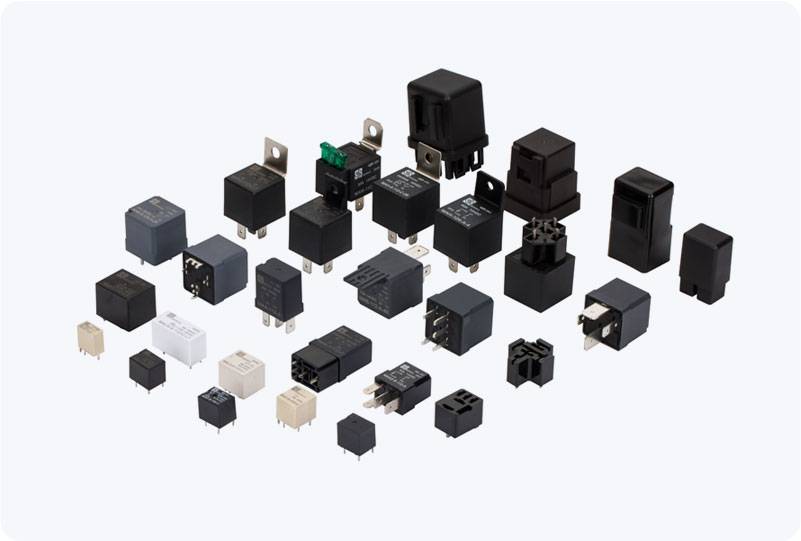
What is an HV Insulation Fault Relay? An HV Insulation Fault Relay is a protective device specifically designed to detect insulation faults in high voltage systems. These relays monitor the insulation resistance of electrical equipment, ensuring that it operates within safe parameters. When the insulation deteriorates or fails, the relay identifies the issue and takes appropriate action, which can include alarming operators or disconnecting the faulty equipment from the power supply. How Does an HV Insulation Fault Relay Work? The operational principle of an HV Insulation Fault Relay revolves around the measurement of insulation resistance. Typically, the device applies a predetermined test voltage to the insulated component and measures the resulting insulation resistance. By comparing this measured resistance to pre-set thresholds, the relay can determine if the insulation is still intact.