A High Voltage DC Main Relay is a crucial component in the control of high-voltage direct current (HVDC) circuits. As the world moves towards more efficient, sustainable, and reliable power systems, the demand for advanced electrical components like the High Voltage DC Main Relay is increasing. This relay is specifically designed to operate in high voltage, high current DC systems, providing essential protection, control, and operational efficiency. In this article, we will explore the key features, applications, and technological challenges of High Voltage DC Main Relays.
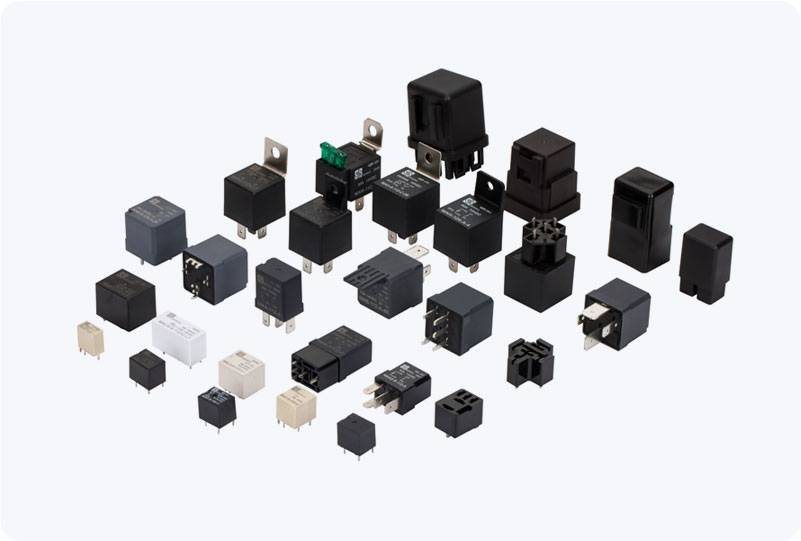
Key Features of High Voltage DC Main Relay High Voltage and Current Capacity High Voltage DC Main Relays are engineered to withstand high voltages, often exceeding thousands of volts, and manage substantial currents. These relays are designed with robust insulation properties to safely control the flow of power in environments where the electrical potential can be extremely high. Their capacity to handle these demanding conditions ensures the safety and efficiency of the electrical system in which they are used. Rapid Switching The relay must be capable of making and breaking connections quickly and reliably. Fast switching is vital to prevent electrical faults, protect other components in the circuit, and minimize any disruption in the operation of the system. In high-voltage direct current systems, the need for fast switching is even more critical because DC circuits do not have natural zero crossings like alternating current circuits, which can help to extinguish arcs. Therefore, the relay needs to handle the switching without causing dangerous electrical arcing.