High-power relays play an indispensable role in modern electrical systems, providing a reliable means of switching large currents and voltages in various applications. With the growing complexity of industrial automation and the increasing demand for high-power energy management, high-power relays have become crucial components in ensuring efficiency, safety, and operational integrity.
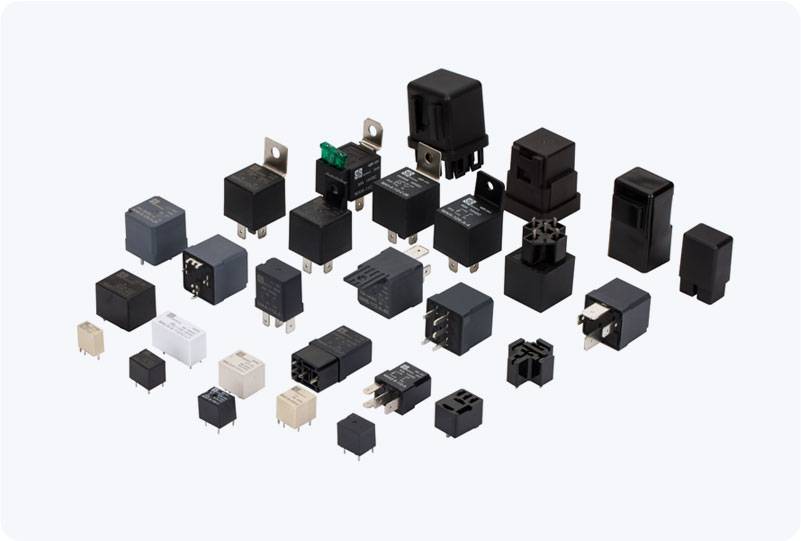
What is a High-Power Relay? At its core, a high-power relay is an electromechanical switch designed to control high electrical loads. Unlike standard relays, which typically manage low to medium power ratings, high-power relays can handle substantial current—often exceeding 60 amps and capable of operating at high voltages up to several thousand volts. They consist of an electromagnetic coil, movable armature (or contact), and fixed contacts, which work in unison to open and close electrical circuits. The Working Principle The operation of a high-power relay is straightforward yet effective. When current flows through the electromagnetic coil, it generates a magnetic field that pulls the movable armature towards it. This action either closes the contacts, allowing current to pass through (energizing the load), or opens the contacts, interrupting the flow of electricity (de-energizing the load). When the coil is de-energized, a spring mechanism returns the armature to its original position, reversing the contact state.