A High-Power Relay is a type of relay designed to handle large currents and high voltages, making it indispensable in various industrial, automotive, and power management applications. Whether controlling heavy-duty machinery, managing electrical systems, or switching large power loads, high-power relays provide essential functionality in environments where standard relays may not suffice. This article explores the key features, working principles, and applications of high-power relays.
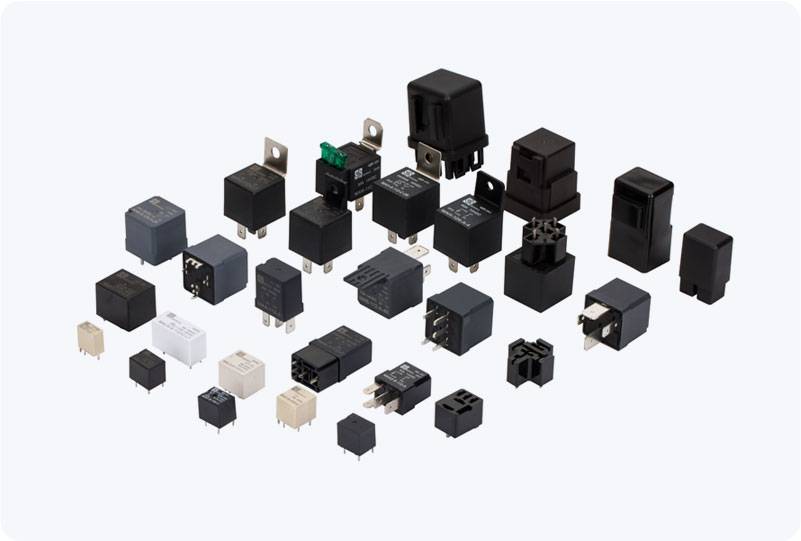
What is a High-Power Relay? A high-power relay is a type of electromechanical or solid-state relay designed to control circuits with high power demands, typically handling currents exceeding 10 amps and voltages as high as 500V or more. Unlike standard relays, which are designed for low-power tasks, high-power relays are specifically engineered to manage the challenges that come with high electrical loads. These relays use larger contact materials, robust designs, and enhanced arc suppression mechanisms to ensure safe and reliable switching of high-power circuits. Key Features of High-Power Relays