High-power relays are crucial components in the realm of electrical engineering, playing significant roles in various applications that require the management of high voltage and high current. With the increasing complexity of automation systems and industrial applications, understanding the function, design, and applications of high-power relays is essential for engineers and technicians alike.
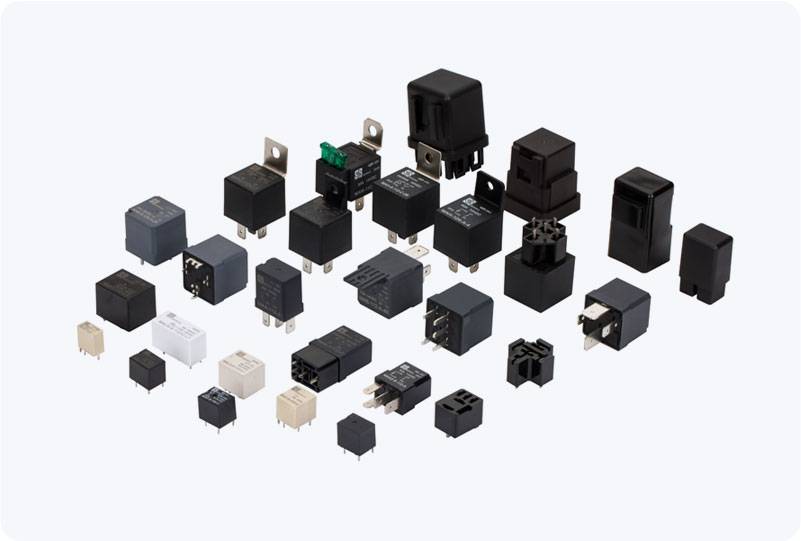
What is a High-Power Relay? A high-power relay is an electromechanical switch designed to control electrical circuits. Unlike standard relays, high-power relays can handle larger loads, typically rated for voltages in the range of hundreds to thousands of volts, and currents that can reach hundreds of amperes. The operational basis of a high-power relay involves electromagnetic principles, where an electrical current flowing through a coil creates a magnetic field that either opens or closes mechanical contacts within the relay. Key Features of High-Power Relays High Voltage and Current Ratings: High-power relays are engineered to manage substantial electrical loads safely. They often feature ratings ranging from 100V to 1000V or more, depending on their design and intended application. Current capacities frequently surpass 10A and can go beyond a few hundred amperes, allowing for the control of powerful equipment such as motors and heavy machinery.