High Flow Solenoid Valves are crucial components in various industries that require the control of fluid flow. Utilizing electromagnetic mechanisms, these valves excel in applications demanding rapid operation and high flow rates. In this article, we will explore the functionalities, advantages, and various applications of High Flow Solenoid Valves.
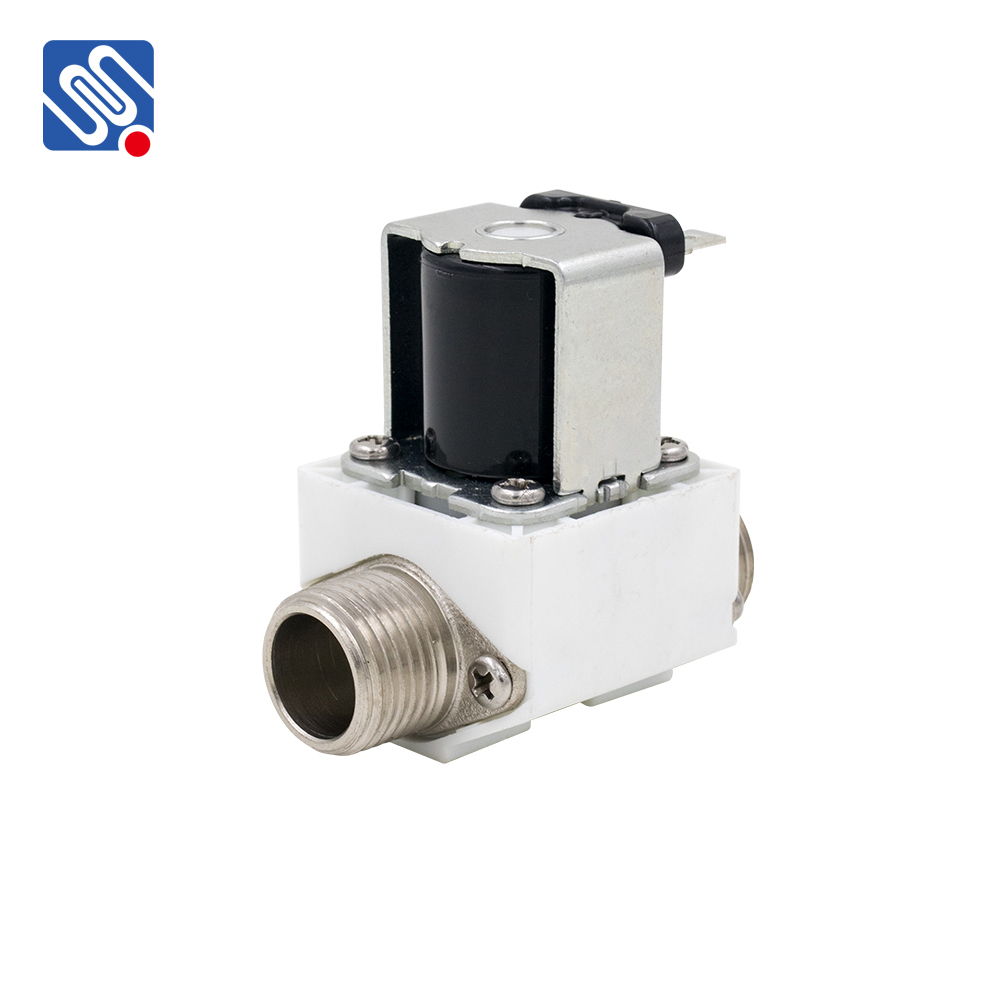
What is a High Flow Solenoid Valve? A High Flow Solenoid Valve is an electromechanical device designed to manage the passage of fluids—whether they be liquids or gases—through pipelines. These valves operate by utilizing an electromagnetic coil that, when energized, generates a magnetic field that either opens or closes the valve, consequently controlling the flow of the fluid. The term “high flow” signifies that these valves can handle larger volumes of fluid compared to standard solenoid valves, making them particularly valuable in industrial applications. Working Principle The operational mechanism of a High Flow Solenoid Valve is relatively straightforward. The valve comprises several key components, including the solenoid coil, the valve body, and a movable armature or plunger. When electric current is supplied to the solenoid coil, it generates a magnetic field that attracts the armature. This movement can either lift a valve seat away from an opening or push it against a seat to stop the flow. By switching the electrical current on and off, the valve can toggle between its open and closed states, allowing for precise flow control.