In the realm of electrical engineering and automation, relays play a critical role in controlling circuits. Among the various types, high current relays (HCRs) stand out due to their unique ability to manage substantial electrical loads, making them indispensable in a myriad of applications. This article delves into the fundamental aspects of high current relays, their features, applications, and considerations for selection.
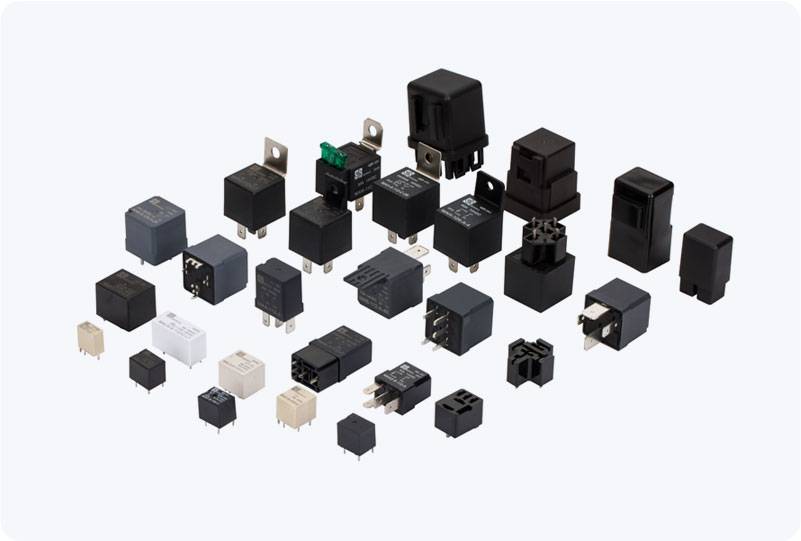
What is a High Current Relay? A high current relay is an electromagnetic switch designed to control high levels of electrical current. Unlike standard relays that generally handle lower loads, high current relays are engineered to accommodate currents that can exceed 100 amperes, and in some cases, reach several hundred amperes. These relays offer the ability to switch large power loads on and off, making them essential components in many electrical systems. Key Features of High Current Relays Current and Voltage Ratings: High current relays come with specific ratings, usually denoting the maximum current it can handle and the suitable voltage levels. These ratings must be carefully evaluated based on the application requirements to prevent overheating and failure.