High current car relays are essential components in modern automotive electrical systems, playing a crucial role in managing the flow of electricity to various high-power devices. From headlights to cooling fans and audio systems, these relays ensure that electrical signals can effectively control heavy current applications without directly involving the vehicle’s primary circuits. This article delves into the working principles, applications, and key considerations when using high current car relays.
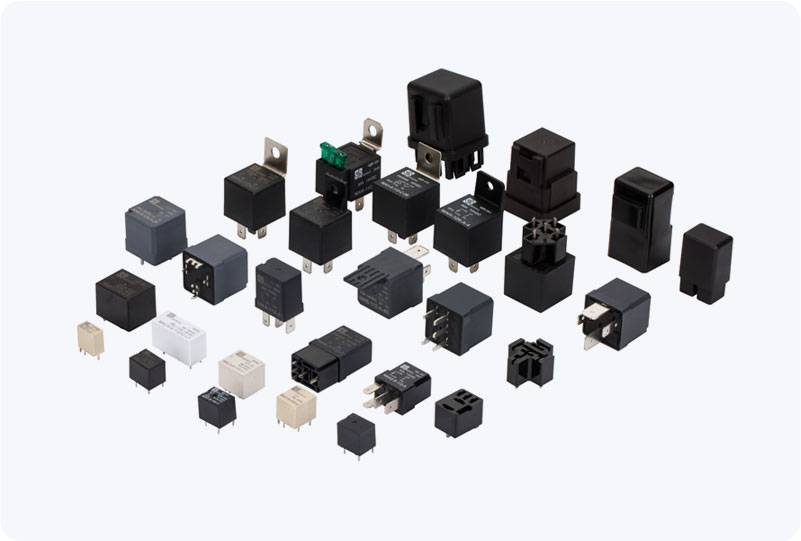
What is a High Current Car Relay? At its core, a high current car relay is an electromagnetic switch designed to control high electrical loads. It consists of an electromagnetic coil and one or more contacts (or terminals). When a low-voltage signal is applied to the coil, it generates a magnetic field that attracts a metal armature, which in turn opens or closes the contacts. This switching mechanism allows a low-power circuit to control a high-power device safely. The Importance of High Current Car Relays Protection of Wiring and Switches: One of the primary purposes of a high current relay is to protect sensitive wiring and switches in a vehicle from damage caused by high amperage. By using a relay, the heavy currents can bypass the primary switch, reducing wear and tear.