In industries such as oil and gas, chemical processing, and mining, ensuring the safety of electrical equipment in hazardous environments is of utmost importance. One such critical component used to maintain safety and operational efficiency is the Hazardous Area Relay. These specialized relays are designed to operate in environments where explosive gases, vapors, or dust might be present. Their primary function is to control electrical circuits safely while preventing the risk of ignition or explosions. This article explores the essential features, applications, and safety standards associated with Hazardous Area Relays.
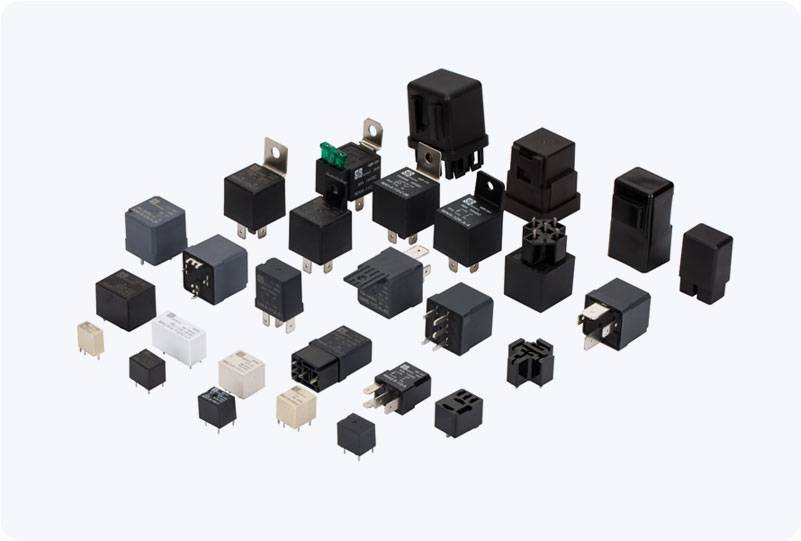
What Is a Hazardous Area Relay? A Hazardous Area Relay is an electrical switching device that is engineered specifically for use in areas classified as hazardous due to the presence of flammable gases, vapors, or dust. These relays are essential for controlling various electrical systems in such environments, where typical relays might pose a risk of sparking or short-circuiting. Hazardous Area Relays are built to meet stringent safety requirements that ensure they do not create any potential ignition sources in explosive atmospheres. These relays are integral components in managing electrical circuits for systems such as motor controllers, alarm systems, fire suppression equipment, and more. Their designs include robust features like explosion-proof enclosures, reliable switching mechanisms, and resistance to high temperatures and chemical exposure.