Hazardous environments, such as those found in the chemical, oil and gas, and mining industries, present a range of risks, primarily due to the presence of explosive gases, vapors, or dust. In these settings, electrical equipment must meet specific safety standards to ensure that it does not trigger any hazardous events. One critical component in these environments is the Hazardous Area Relay. These devices play a pivotal role in managing and controlling electrical circuits safely in areas where the risk of explosion is significant.
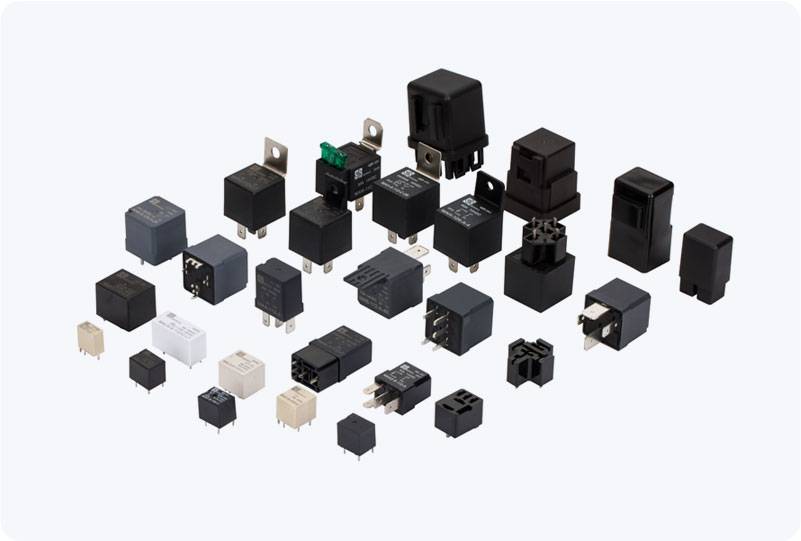
What is a Hazardous Area Relay? A Hazardous Area Relay is a specialized relay designed to operate safely in explosive atmospheres. It is used to control and monitor electrical circuits in environments where there is a potential for explosive gases or dust to be present. These relays are crucial for ensuring that electrical components do not ignite potentially dangerous substances, thereby preventing accidents like fires or explosions. Key Features of Hazardous Area Relays Explosion-Proof Design: The primary function of a Hazardous Area Relay is to prevent sparks or excessive heat from igniting flammable gases or dust. These relays are built with explosion-proof casings and are designed to prevent internal sparks from escaping. The design complies with international standards like ATEX (Atmosphères Explosibles) or IECEx (International Electrotechnical Commission Explosive Atmospheres) to ensure the relay can safely operate in hazardous zones.