In various industrial sectors where hazardous materials are present, the importance of safety cannot be overstated. One critical component in ensuring safe operations in these environments is the Hazardous Area Relay. Designed specifically to operate in potentially explosive atmospheres, Hazardous Area Relays play a crucial role in controlling electrical devices while minimizing the risk of igniting flammable gases, vapors, or dust. This article explores the functions, design characteristics, applications, and considerations for selecting Hazardous Area Relays.
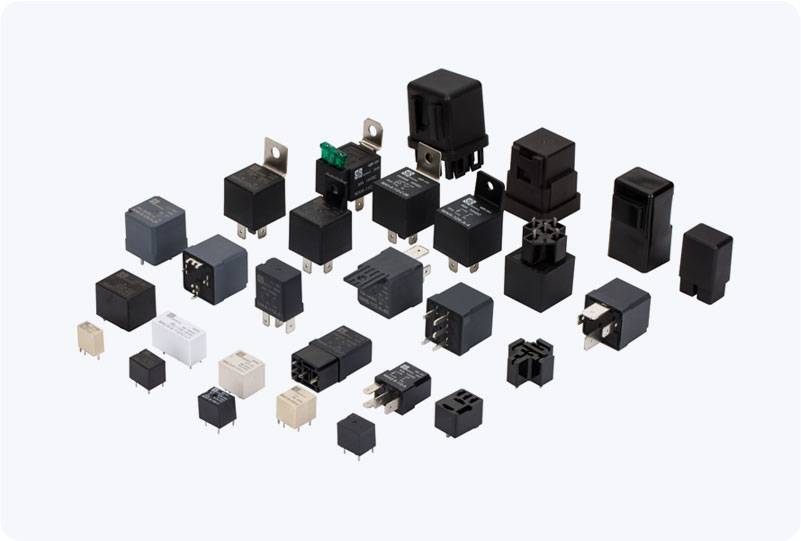
What is a Hazardous Area Relay? A Hazardous Area Relay is an electrical relay that has been specially constructed to function safely in environments where explosive substances may be present. These settings include oil rigs, chemical plants, and many other industrial sites. The unique design of these relays ensures electrical isolation and prevents any potential ignition sources from escaping into the hazardous areas. Design Features The design of Hazardous Area Relays focuses on minimizing risk factors that could lead to dangerous situations. Some key features include: Explosion-proof Enclosures: These relays are often housed in robust enclosures that can withstand internal explosions and prevent flames from propagating to the outside environment. Common types of protection include “Ex d” (flameproof) and “Ex e” (increased safety).