In today’s electrical systems, safety is of paramount importance. One crucial component in achieving electrical safety is the Ground Fault Protection Relay (GFPR). This device plays a vital role in preventing electrical hazards caused by ground faults, which can lead to equipment damage, fire risks, and severe safety hazards for personnel. This article explores the significance, operation, applications, and maintenance of Ground Fault Protection Relays.
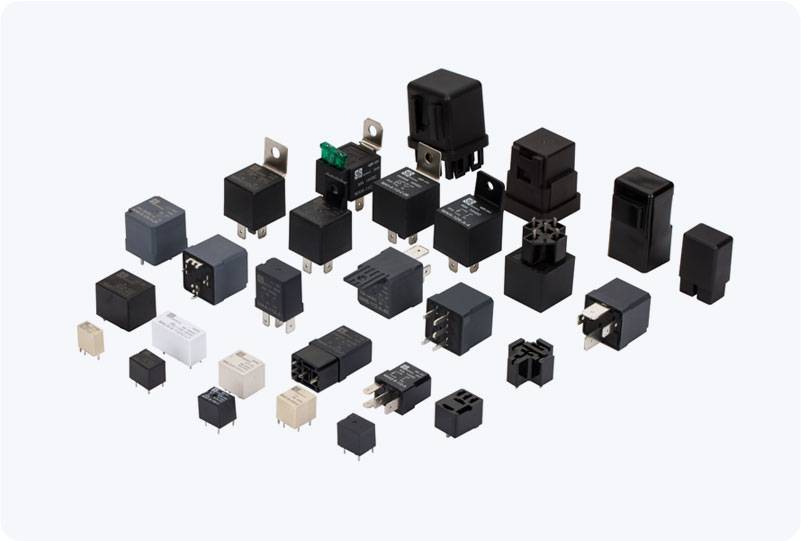
What is a Ground Fault? A ground fault occurs when there is an unintended connection between an energized conductor and the ground, or between an energized conductor and a grounded part. This can happen due to insulation failure, moisture ingress, or physical damage to electrical equipment. When a ground fault occurs, it can result in excessive current flowing to the ground, which may not only damage equipment but also pose serious risks to human life. Role of Ground Fault Protection Relay The primary function of a Ground Fault Protection Relay is to monitor electrical systems for ground faults and respond promptly to such incidents. The relay continuously measures the current flowing through the conductors and compares the readings between the phase conductors and the neutral conductor. If it detects an imbalance in these currents—typically indicative of a ground fault—it triggers an alarm or initiates protective measures, such as tripping the circuit breaker to disconnect the power supply.