A general-purpose relay is one of the most widely used devices in electrical control systems. This simple yet effective component plays a crucial role in managing high-power circuits with low-power control signals. The utility and versatility of general-purpose relays make them an indispensable element in various industries, ranging from home automation to industrial machinery control. In this article, we will explore the structure, working principle, types, applications, advantages, and limitations of general-purpose relays.
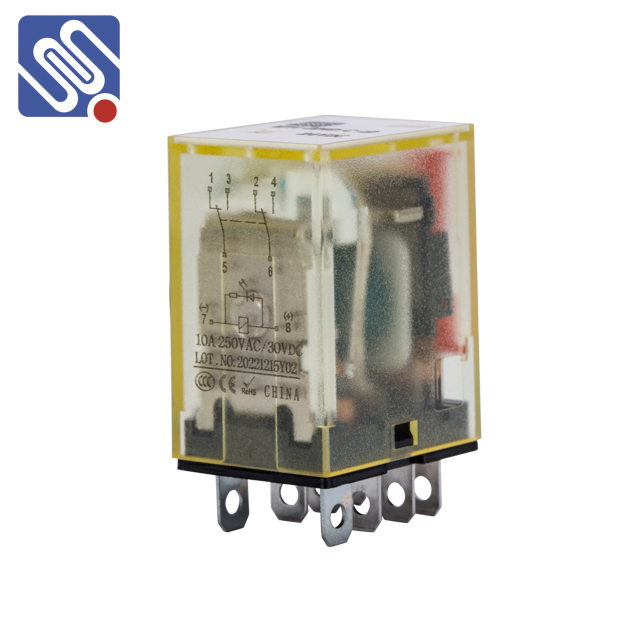
Structure and Working Principle At its core, a general-purpose relay consists of an electromagnet (coil), a set of movable contacts, fixed contacts, and a spring mechanism. When a low voltage is applied to the coil, it generates a magnetic field. This magnetic field causes the movable contacts to either open or close, depending on the type of relay. The spring mechanism ensures that the contacts return to their default position when the current is turned off, making the relay a reliable switch for controlling higher power circuits. The operating principle of a general-purpose relay is based on the electromagnetic force. When current flows through the coil, the relay becomes activated, causing the contacts to change their state—either opening or closing a circuit. This allows for a controlled flow of current between two electrical circuits, with the relay acting as an intermediary. It enables low-power control circuits (such as those in microcontrollers or switches) to control larger, higher power devices like motors, lighting systems, and other heavy-duty electrical equipment.