Food grade solenoid valves are critical components in the food and beverage industry, ensuring the smooth and safe operation of fluid and gas control systems. These valves play an essential role in maintaining the quality and safety of food products, while also complying with strict hygiene and regulatory standards. In this article, we will explore the features, importance, and applications of food grade solenoid valves, shedding light on why they are indispensable in food processing environments.
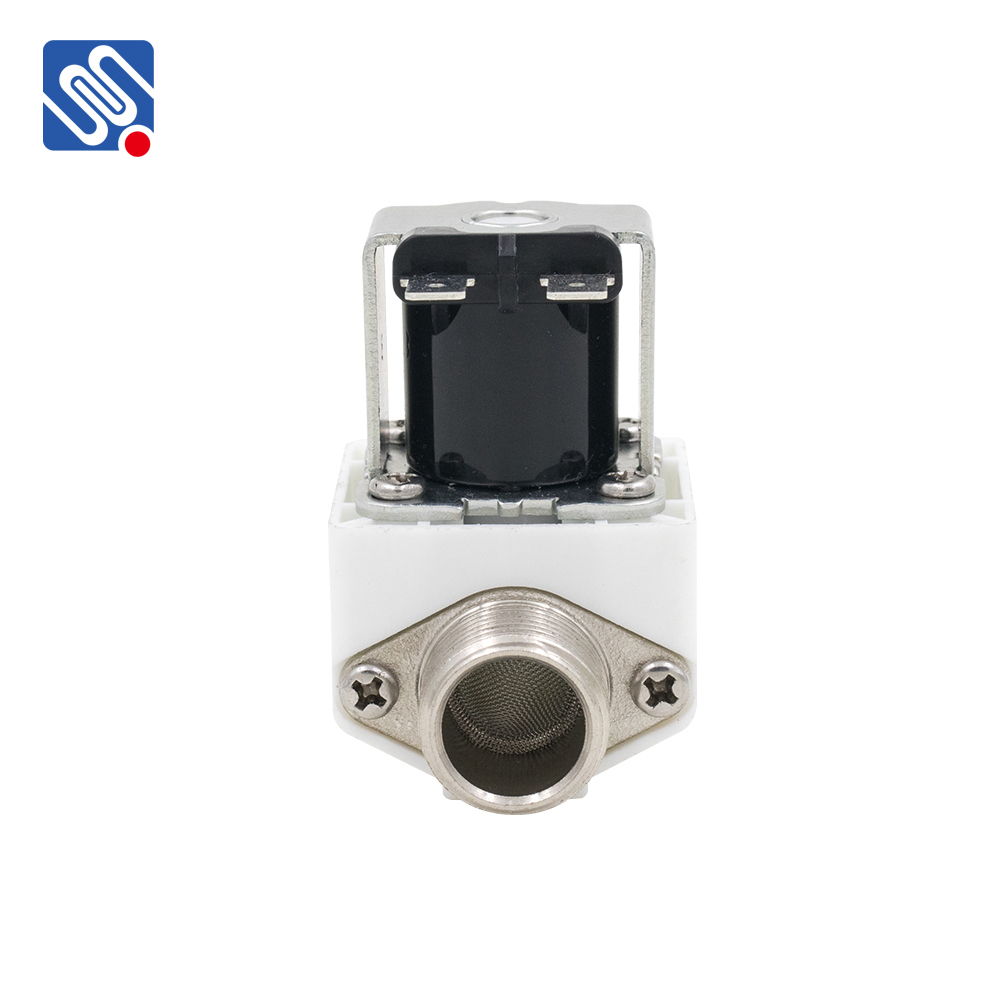
What is a Food Grade Solenoid Valve? A food grade solenoid valve is a type of electrically operated valve designed to control the flow of liquids or gases in systems that involve food or beverage processing. These valves are made from materials that meet the hygiene standards required in food production, such as stainless steel or FDA-approved plastics. Unlike general solenoid valves, food grade versions are specifically engineered to avoid contamination and ensure compliance with stringent safety regulations. These valves are controlled by an electromagnetic coil that, when energized, moves a plunger to open or close the valve. This action allows the valve to regulate the flow of fluids in various food production processes, such as filling, sealing, mixing, and sterilization.