In the food and beverage industry, maintaining product quality and safety is paramount. From production to packaging, each step must meet strict regulatory standards to ensure that the end product is safe for consumption. One essential component in the automation and control of fluid systems in food processing is the Food Grade Solenoid Valve. This article delves into the characteristics, applications, and importance of these specialized valves in the food industry.
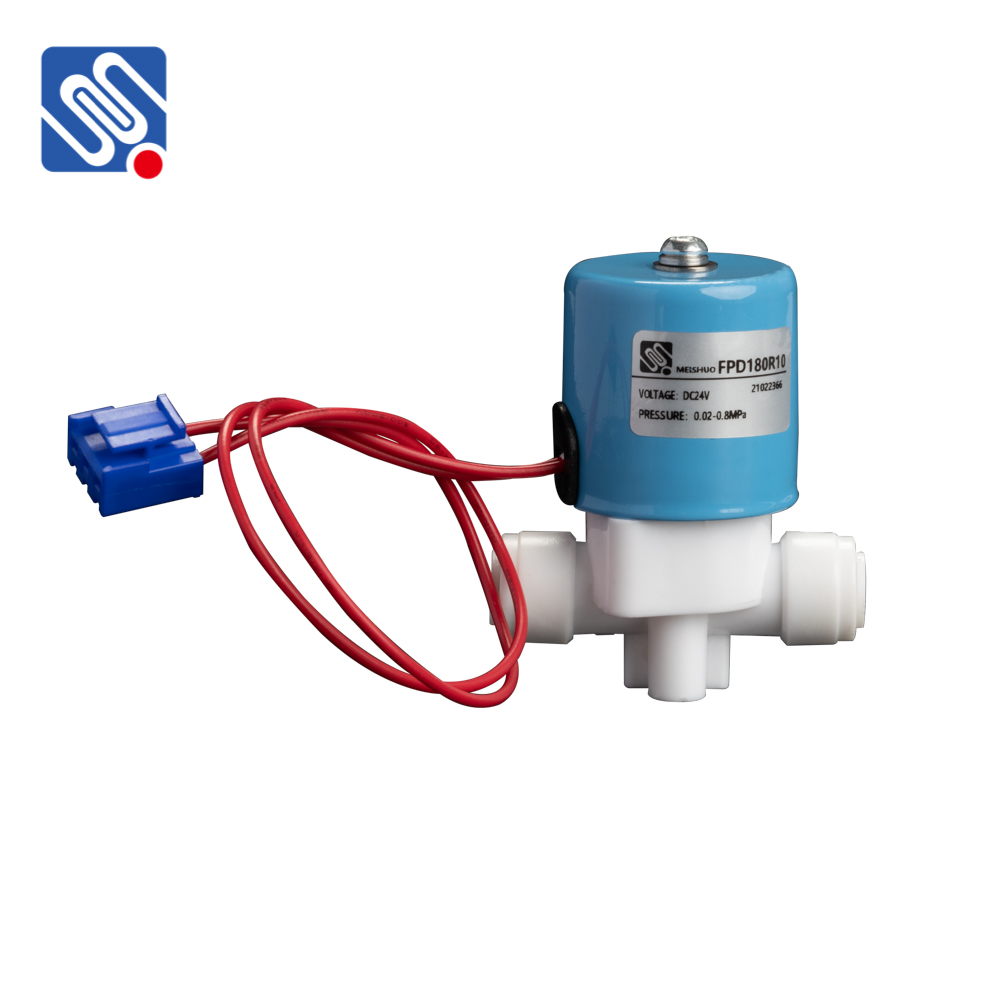
What is a Food Grade Solenoid Valve? A Food Grade Solenoid Valve is an electrically operated valve designed specifically for use in food processing and beverage systems. It controls the flow of liquids, gases, or other fluids within a pipeline system, ensuring that the flow is regulated in a precise manner. These valves are made from materials that are compliant with food safety standards to avoid contamination, thus protecting the integrity of the products. Key Features of Food Grade Solenoid Valves Compliance with Safety Standards The materials used in food grade solenoid valves are chosen to meet several stringent industry standards such as FDA (Food and Drug Administration), EHEDG (European Hygienic Engineering and Design Group), and NSF (National Sanitation Foundation). These standards ensure that the valve’s components will not leach harmful substances into food products, which is essential for maintaining product purity and safety.