Electric vehicles (EVs) are revolutionizing the way we think about transportation, and at the heart of their operation is a complex network of electrical components working in harmony. Among these components, the EV Main Contactor Relay plays a crucial role in ensuring efficient power distribution, safety, and operational reliability. This article explores the significance of the EV Main Contactor Relay, its functions, and why it is indispensable in modern electric vehicles.
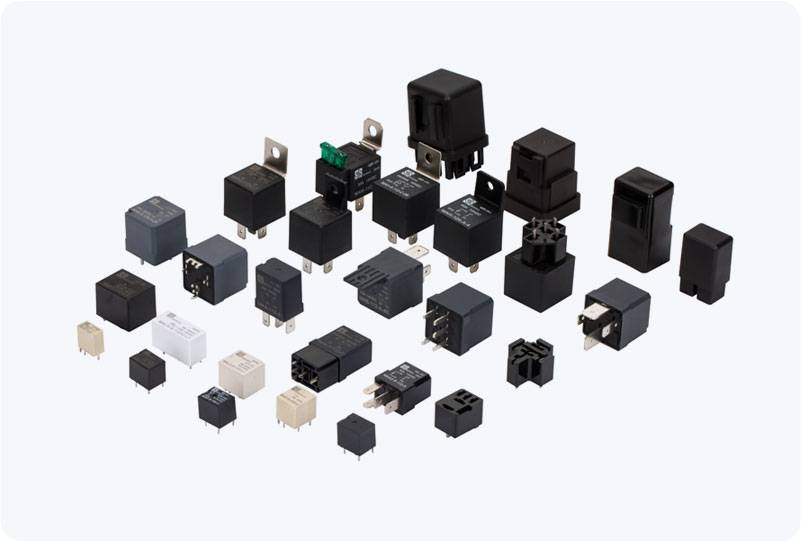
What is an EV Main Contactor Relay? An EV Main Contactor Relay is an electromechanical switch used to control the flow of electricity between the high-voltage battery and the electric motor of an electric vehicle. It functions as a high-power relay, allowing or preventing the current flow that powers the vehicle’s drive motor, as well as managing energy during charging. The relay is usually located in the battery pack and is a key element of the Battery Management System (BMS), which ensures the safe and efficient operation of the battery. The main task of the contactor relay is to close or open the connection between the battery and the motor, depending on the state of the vehicle (e.g., driving, charging, or parked).