The rise of electric vehicles (EVs) has revolutionized the automotive industry, ushering in a new era of clean and sustainable transportation. Among the many key components of EVs, the EV battery relay plays a crucial role in managing the high-voltage battery systems that power these vehicles. As a vital component of the battery management system (BMS), the EV battery relay ensures the safe and efficient operation of the battery by controlling the flow of electricity, protecting against potential hazards, and extending the lifespan of the battery.
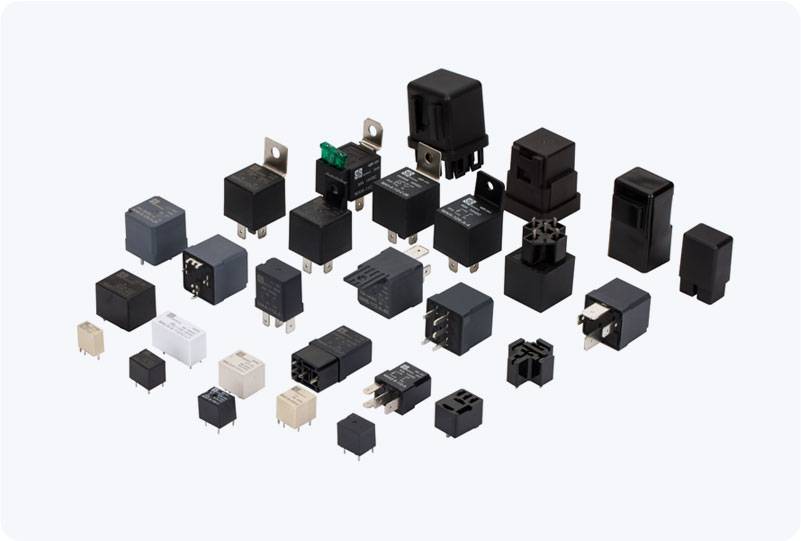
What is an EV Battery Relay? An EV battery relay is an electromechanical or solid-state switch used to connect or disconnect high-voltage circuits within the battery system of an electric vehicle. It controls the current flow between the high-voltage battery pack and other vehicle components such as the motor, charger, and inverter. The relay allows the system to safely activate or deactivate depending on the vehicle’s operation status, such as when the car is running, charging, or in a safe shutdown mode. Key Functions of EV Battery Relay Battery Circuit Control The primary function of the EV battery relay is to connect or disconnect the battery from the rest of the vehicle’s electrical system. When the vehicle is in operation, the relay ensures that the battery is engaged with the motor and other systems. Upon shutdown or in an emergency situation, the relay disconnects the battery to prevent any risks or electrical hazards, such as short circuits or fires.