Equipment lockout tags are a critical component of modern workplace safety, designed to prevent accidents and injuries during maintenance and repair activities. These tags are part of a broader Lockout/Tagout (LOTO) system, which ensures that machinery and equipment are properly shut down and remain inoperative while work is being performed. By clearly signaling that equipment is off-limits, equipment lockout tags protect employees from the hazards associated with unexpected startup or energy release.
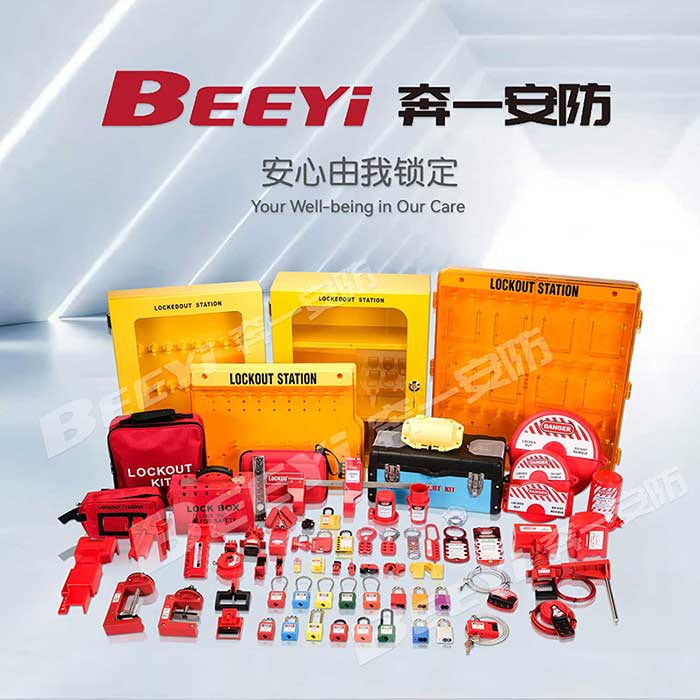
The primary purpose of equipment lockout tags is to provide a visible warning to anyone approaching the machinery that it is currently unsafe to operate. These tags are typically used in combination with a physical lock, which isolates the energy source. The lock prevents the machine from being turned on, while the tag communicates essential information such as the identity of the person performing the maintenance, the reason for the lockout, and the expected duration of the shutdown. This dual system of lock and tag is crucial for both legal compliance and the safety of personnel. One of the key benefits of using equipment lockout tags is the prevention of accidents. Industrial environments often involve high-voltage electrical systems, heavy machinery, and moving parts that can cause serious injury or even fatalities if inadvertently activated. By attaching a lockout tag, workers ensure that the machinery cannot be energized, even if someone attempts to restart it. This simple yet effective measure drastically reduces the likelihood of workplace incidents and provides peace of mind for maintenance teams.