Electromechanical relays (EMRs) have long served as fundamental components in the realm of electrical control systems. Though technology has advanced significantly, and solid-state relays (SSRs) have begun to take over specific applications, the enduring reliability and versatility of EMRs make them indispensable in various industries. In this article, we will explore the working principle, components, applications, advantages, and limitations of electromechanical relays.
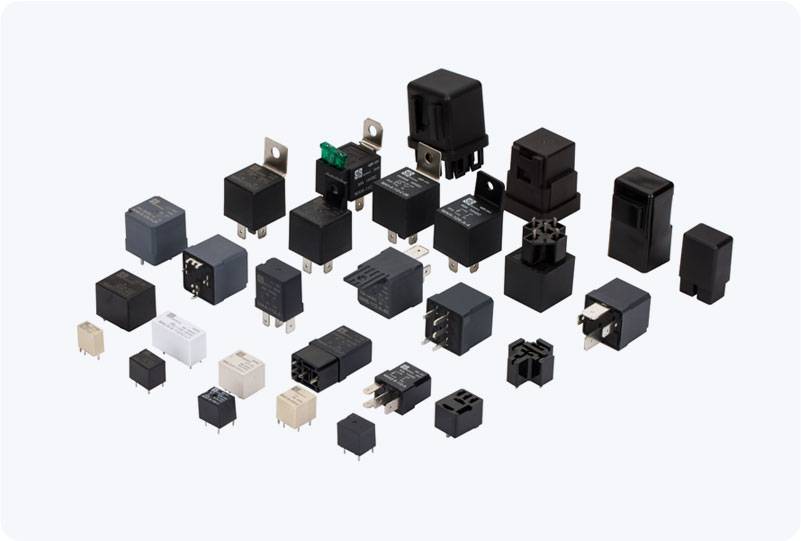
Working Principle The working principle of an electromechanical relay hinges on electromagnetism. At its core, an EMR consists of a coil, an armature, and one or more sets of contacts. When a voltage is applied to the coil, it generates a magnetic field that attracts the armature. This movement allows the armature to either open or close the electrical contacts, thereby controlling the flow of current through the connected circuit. Once the current is removed, a spring mechanism restores the armature to its original position, returning the contacts to their default state. Components An electromechanical relay is comprised of several key components: