An Electromechanical Relay (EMR) is a vital component in electrical engineering and control systems, widely employed for switching applications across various industries. This article aims to provide an in-depth understanding of the Electromechanical Relay, focusing on its working principles, applications, advantages, and limitations.
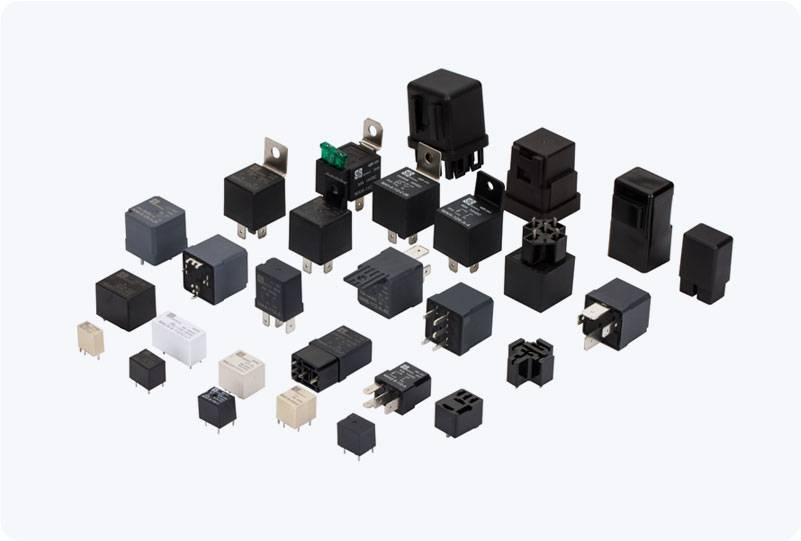
What is an Electromechanical Relay? At its core, an Electromechanical Relay is an electromechanical device that uses an electromagnetic coil to open and close switch contacts in a circuit. Essentially, it serves as an intermediary that allows a low-power signal to control a high-power circuit, making it an indispensable tool in automation and control systems. An EMR typically consists of several key components: a coil, an armature, a spring, and one or more sets of contacts. Working Principle The operation of an Electromechanical Relay relies on electromagnetic induction. When an electric current passes through the coil, it generates a magnetic field. This magnetic field attracts a movable armature, either closing or opening the contacts based on the design of the relay—whether it features normally open (NO) or normally closed (NC) contacts.