Electromagnetic relays are fundamental components in the realm of electrical and electronic systems, playing a vital role in controlling circuits and maintaining system integrity. Understanding how they work, their structure, applications, and advantages can help engineers and hobbyists alike utilize this technology effectively.
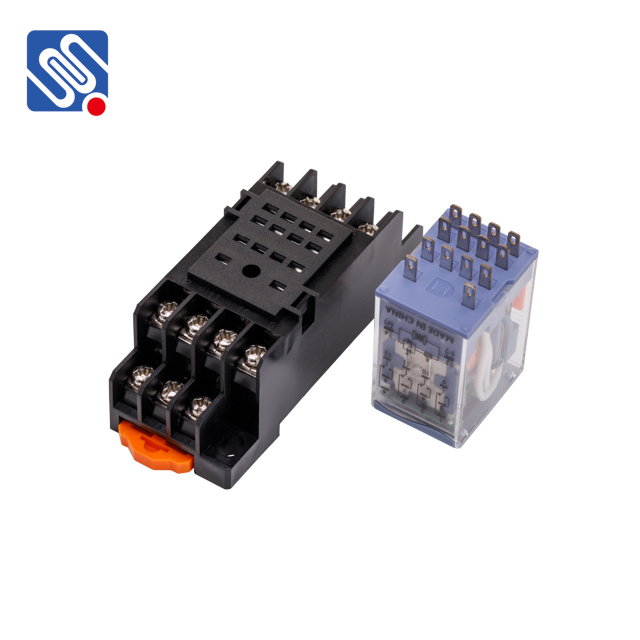
What is an Electromagnetic Relay? An electromagnetic relay is an electromechanical switch used to control the flow of electricity in a circuit by using an electromagnetic force. When an electrical current passes through the coil of the relay, it creates a magnetic field that attracts a movable arm, thus opening or closing the relay’s contacts. This mechanism enables the relay to switch a larger load on and off using a smaller control current. Operating Principles The operation of an electromagnetic relay can be broken down into a few fundamental phases: Activation: When a small voltage is applied to the coil, it generates a magnetic field. This is usually characterized by the laws of electromagnetism, particularly Faraday’s and Ampère’s laws.