Electric pinch valves are integral components in modern fluid management systems, designed to control the flow of various types of fluids through a simple yet effective mechanism. This article provides an in-depth look at electric pinch valves, their operation, benefits, applications, and considerations for their implementation in various industries.
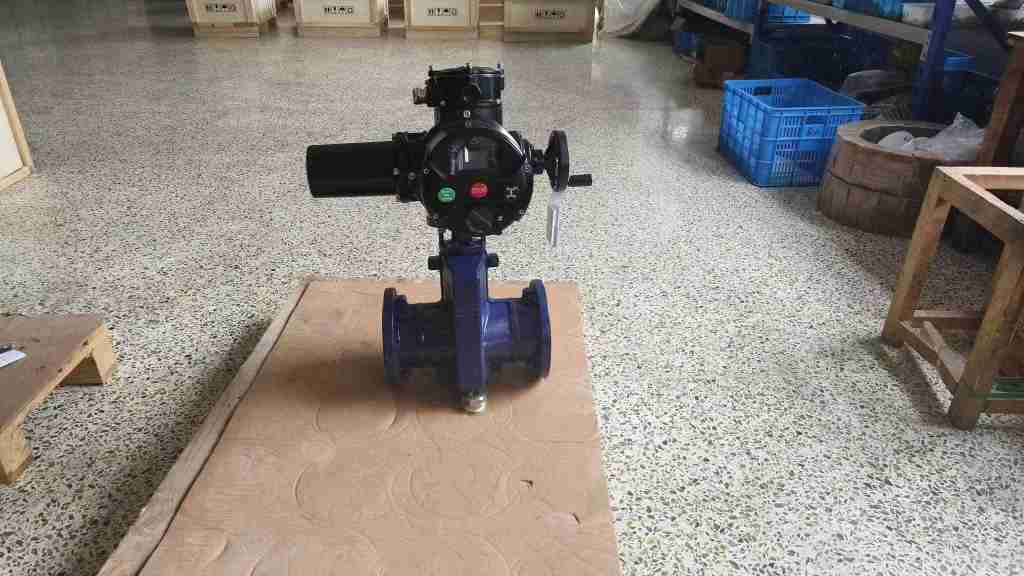
What is an Electric Pinch Valve? An electric pinch valve is a type of control valve that utilizes a flexible tubing, commonly made from elastomers, to regulate the flow of fluids. The valve comprises several key components: a valve body, a pinch tube (or flexible tube), and an electric actuator. The actuator drives the mechanical function of pinching or relaxing the tube, which opens or closes the flow path. Operation Mechanism The working principle of an electric pinch valve is straightforward. The valve body contains a flexible pinch tube that allows the fluid to flow when in an uncompressed state. Upon receiving a signal from an electrical control system—like a programmable logic controller (PLC) or distributed control system (DCS)—the electric actuator compresses the pinch tube. This compression restricts or completely blocks the fluid passage, effectively shutting off the flow. Releasing the pressure allows the pinch tube to expand, restoring flow.