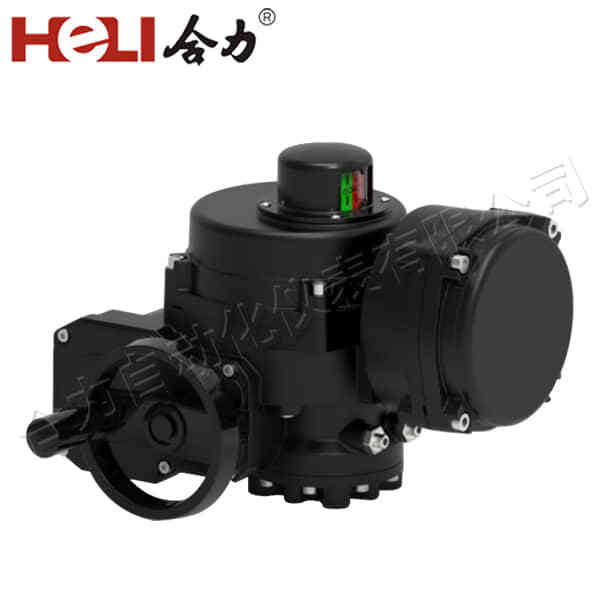
Electric actuator valves are integral components in modern industrial automation, enabling precise control over fluid or gas flow in various systems. These valves, when combined with electric actuators, allow for the automation of processes that require accurate and reliable flow regulation. They are used in numerous industries such as oil and gas, water treatment, HVAC, and chemical processing. In this article, we will explore the role, functioning, advantages, and key considerations for electric actuator valves, shedding light on why they are essential in today’s industrial applications.
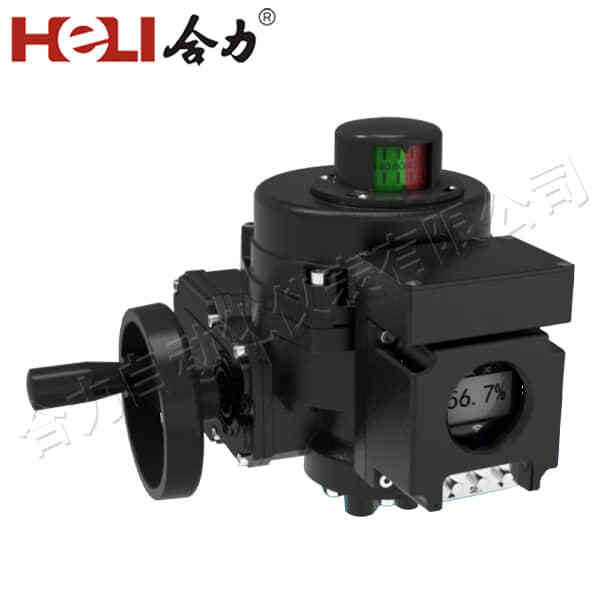
What is an Electric Actuator Valve?
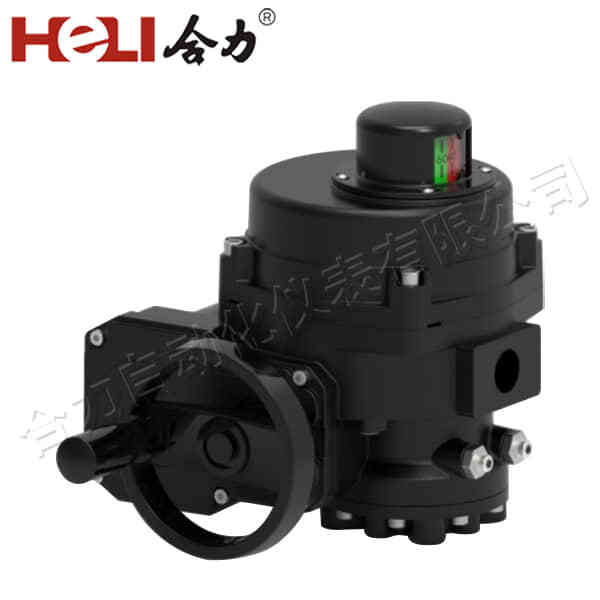
An electric actuator valve is a type of valve that is operated by an electric motor rather than manual or pneumatic methods. The electric actuator is responsible for controlling the valve’s movement, whether it’s opening, closing, or adjusting to a specific position. The actuator converts electrical energy into mechanical motion, which is then used to control the valve’s operation. This system allows for precise control, automation, and monitoring of fluid or gas flow within a system. Electric actuator valves are often used in processes that require frequent adjustments or where remote operation is necessary. They are typically designed to handle a wide range of valve types, including ball valves, butterfly valves, gate valves, and globe valves, among others.