In the realm of industrial automation and control systems, the Easy Installation Solenoid Valve has emerged as a pivotal component in managing fluid dynamics. Its design not only enhances operational efficiency but also simplifies installation processes, making it a preferred choice across various applications. This article delves into the mechanisms, benefits, and applications of Easy Installation Solenoid Valves, highlighting their significance in modern engineering.
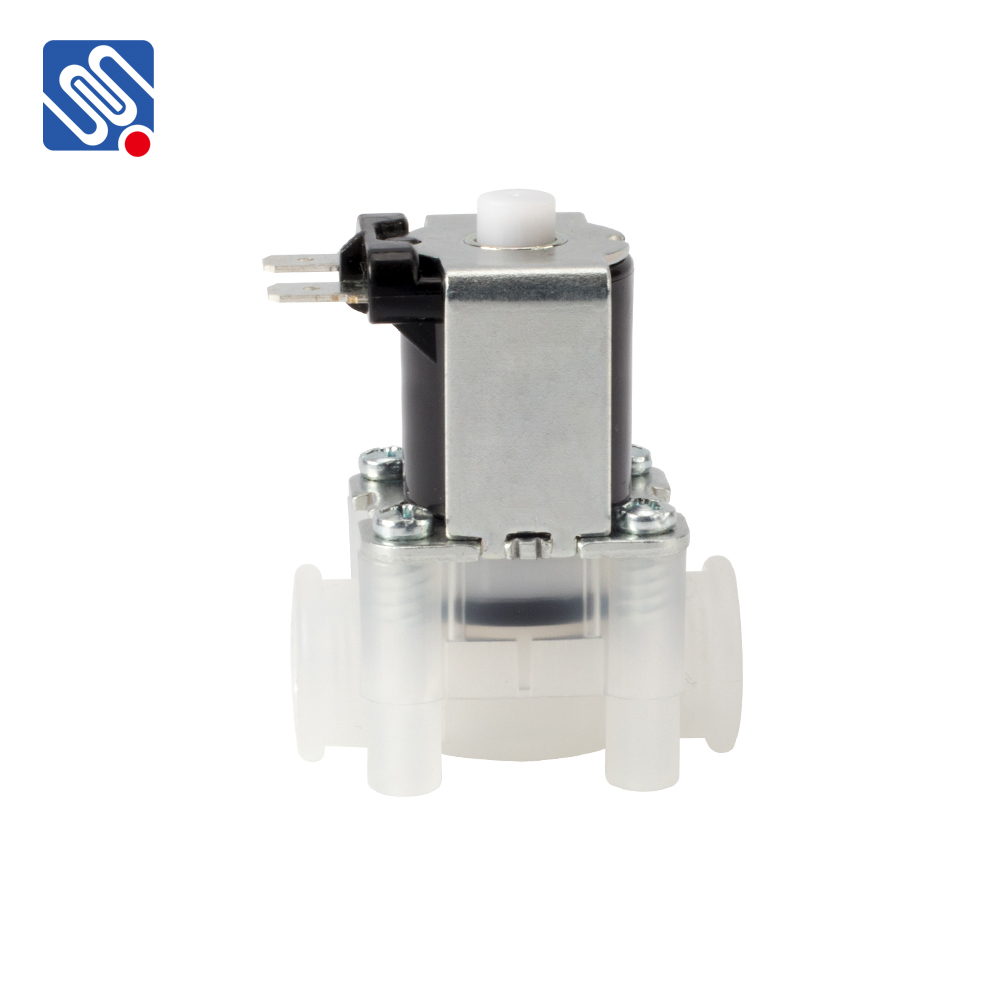
What is a Solenoid Valve? A solenoid valve is an electromechanical device utilized to control the flow of liquids or gases. The key feature of this valve is its electromechanical coil, which, when energized, creates a magnetic field that moves a plunger or armature. This movement either opens or closes the valve, thereby regulating the flow within a pipeline. Easy Installation Features The term “Easy Installation” denotes the design attributes that facilitate straightforward integration into existing systems. Many manufacturers have adopted user-friendly features such as standardized connection types, including threaded, flanged, and quick-connect fittings. This standardization significantly reduces the time required for installation, allowing technicians to swiftly adapt the solenoid valve to a variety of piping configurations.