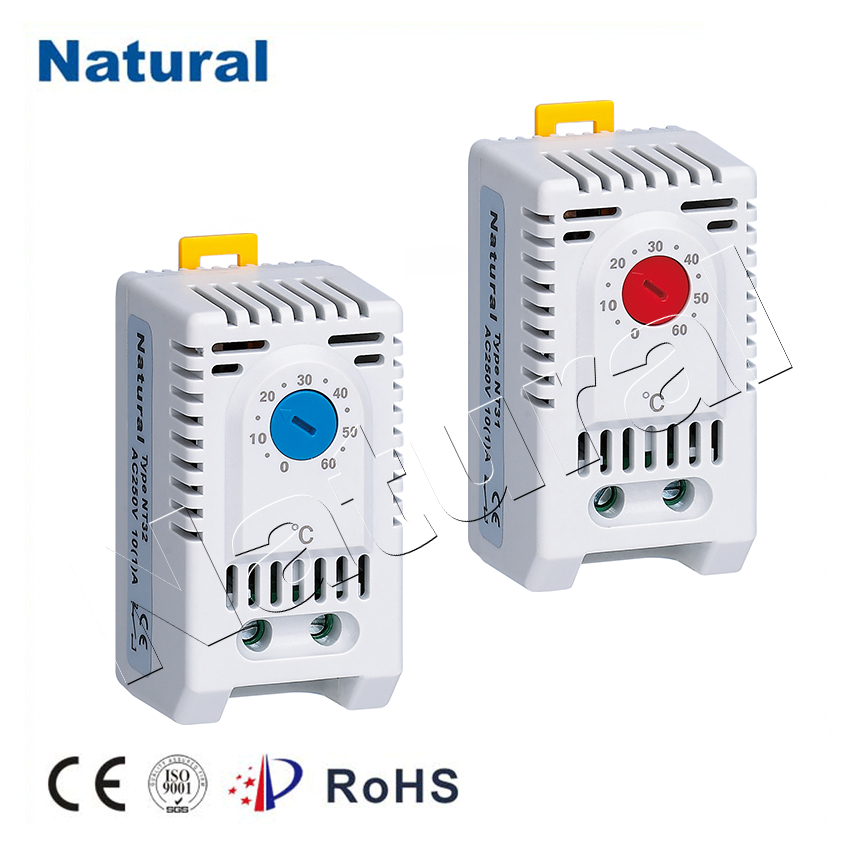
In the world of industrial and commercial automation, maintaining optimal temperature conditions is essential for the safety, efficiency, and longevity of equipment. One critical component in achieving this is the DIN rail thermostat. These devices are designed for easy installation on standard DIN rails, which are metal rails commonly used to mount electrical components in cabinets and enclosures. This article explores the functionality, benefits, and applications of DIN rail thermostats, providing insights for engineers and facility managers looking to enhance their temperature control systems.
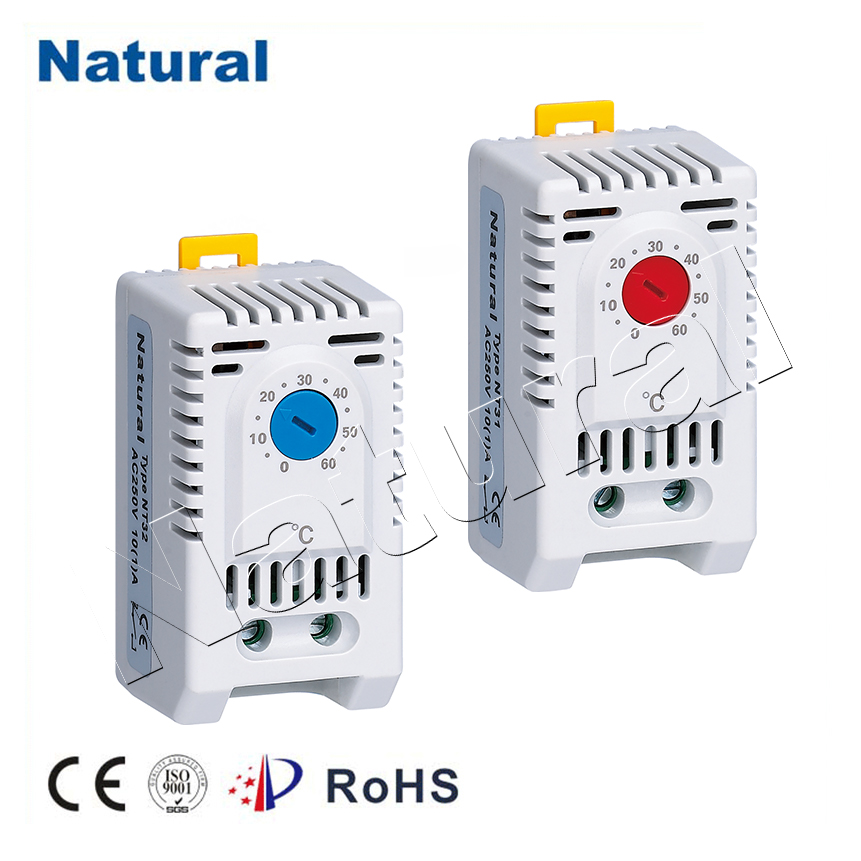
What is a DIN Rail Thermostat?
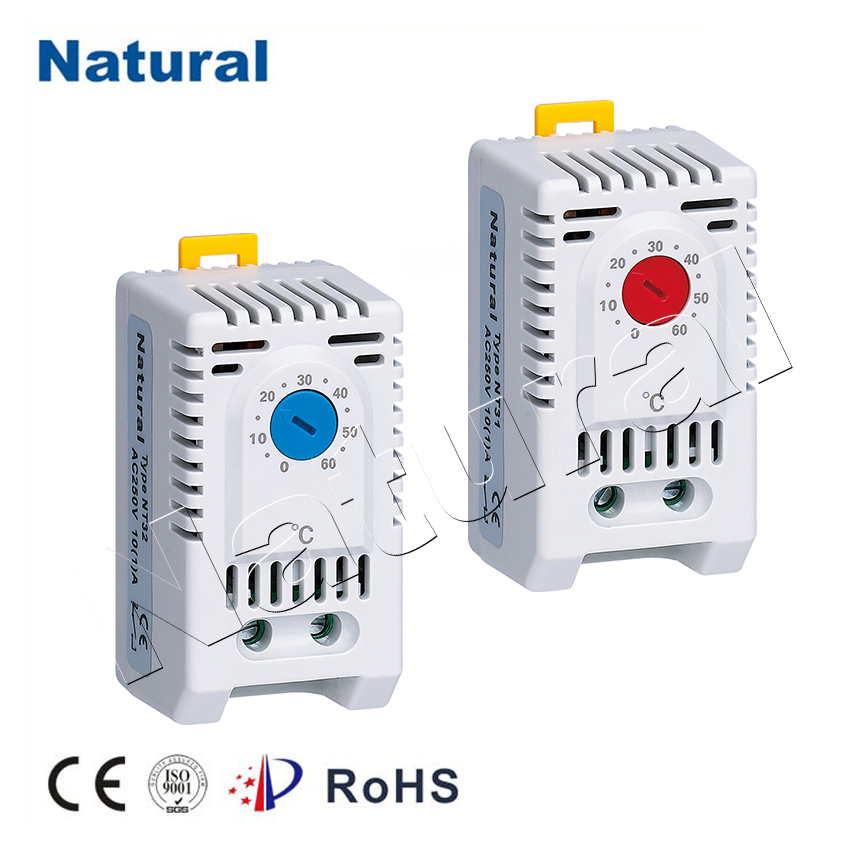
A DIN rail thermostat is an electrical device that regulates temperature within a specific environment by switching heating or cooling systems on or off. It is designed to fit onto a DIN rail, making installation and integration into existing systems straightforward. The device typically consists of a temperature sensor, a control unit, and relays that operate the connected heating or cooling equipment. These thermostats can be analog or digital. Analog thermostats use a mechanical bimetallic strip to sense temperature changes, while digital models provide more advanced features, such as programmable settings, temperature displays, and sometimes even network connectivity. The choice between analog and digital thermostats often depends on the specific needs of the application.