A DC solenoid valve is an electromechanical device that plays a crucial role in controlling the flow of liquids or gases in various systems. By utilizing direct current (DC) electricity to generate magnetic fields, the solenoid valve activates a plunger or valve core, allowing the fluid to flow or stop as needed. This simple yet effective mechanism makes the DC solenoid valve widely used in both industrial automation and consumer applications. This article explores the working principle, applications, and advantages of DC solenoid valves, highlighting their importance in modern technology.
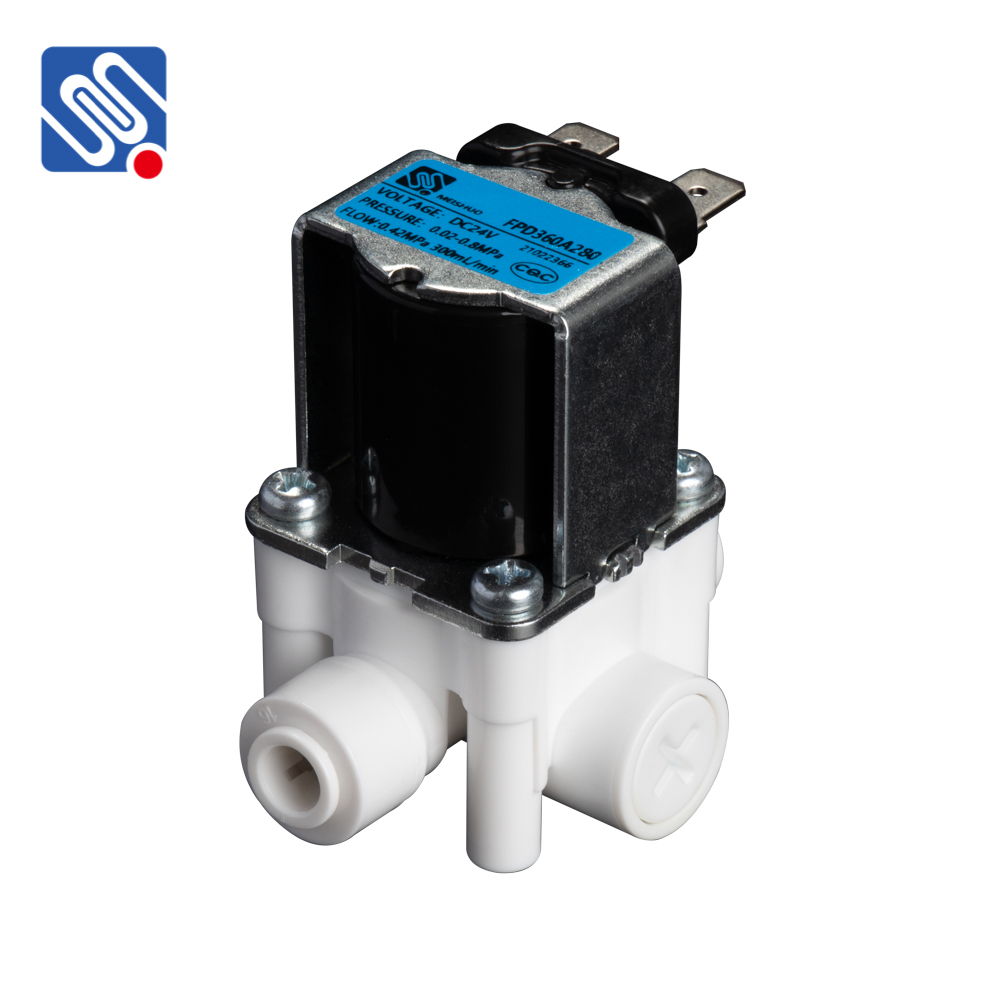
Working Principle of DC Solenoid Valve At the heart of a DC solenoid valve is a solenoid, which is a coil of wire that produces a magnetic field when electrical current flows through it. The valve typically consists of a coil, plunger, valve seat, and spring. When direct current is applied to the solenoid, the magnetic field generated attracts or repels the plunger, causing it to either open or close the valve. In a typical configuration, when there is no electrical current flowing, a spring holds the valve closed. When power is applied, the solenoid generates a magnetic field that moves the plunger, either opening or closing the valve to allow or stop the fluid flow. The direction and magnitude of the current determine whether the valve opens or closes. In many designs, the valve returns to its default position when the power is turned off.