In recent years, electric vehicles (EVs) have gained significant traction as the world continues to shift towards greener and more sustainable transportation options. A key component in the success of EVs is the ability to charge quickly, which is where DC Fast Charging (DCFC) technology comes into play. Central to the operation of DC fast charging stations is the DC Fast Charging Relay. This article explores the function, importance, and future of DC Fast Charging Relays in electric vehicle charging infrastructure.
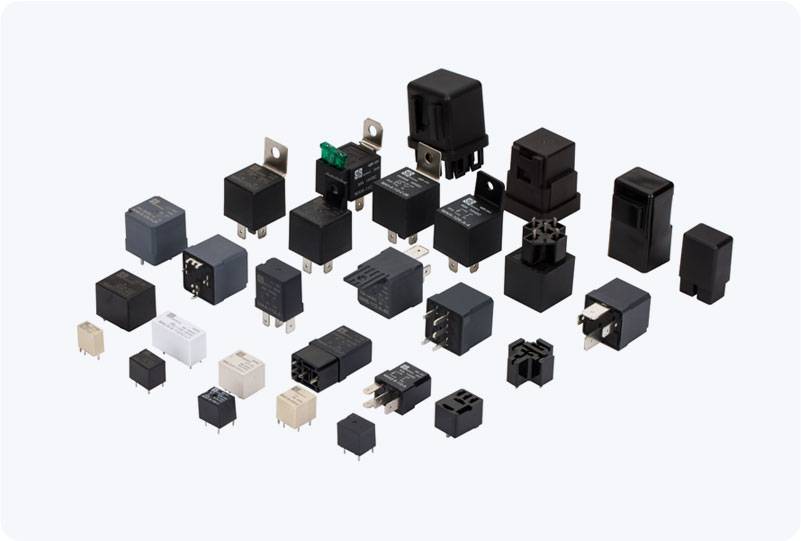
What is a DC Fast Charging Relay? A DC Fast Charging Relay is an electrical relay used in DC fast charging stations to connect or disconnect the high-voltage direct current (DC) power between the charging station and the electric vehicle (EV) battery. Unlike traditional Level 1 or Level 2 charging systems, which utilize alternating current (AC) and require an onboard charger to convert AC to DC, DCFC systems deliver high-voltage DC power directly to the vehicle’s battery, enabling faster charging speeds. The DC Fast Charging Relay plays a crucial role in controlling the flow of this high-voltage DC power, ensuring the process is both efficient and safe. It is typically responsible for controlling the connection between the EV and the charging station, monitoring electrical conditions, and preventing overloads or other faults during charging.