A Current Overload Relay is a crucial component in electrical systems, specifically designed to protect motors and other electrical equipment from damage caused by excessive current. These relays are used to detect overload conditions, which, if left unchecked, can lead to severe damage such as overheating, insulation breakdown, and ultimately equipment failure. By automatically interrupting the circuit when an overload occurs, these relays serve as a primary line of defense for both residential and industrial electrical setups.
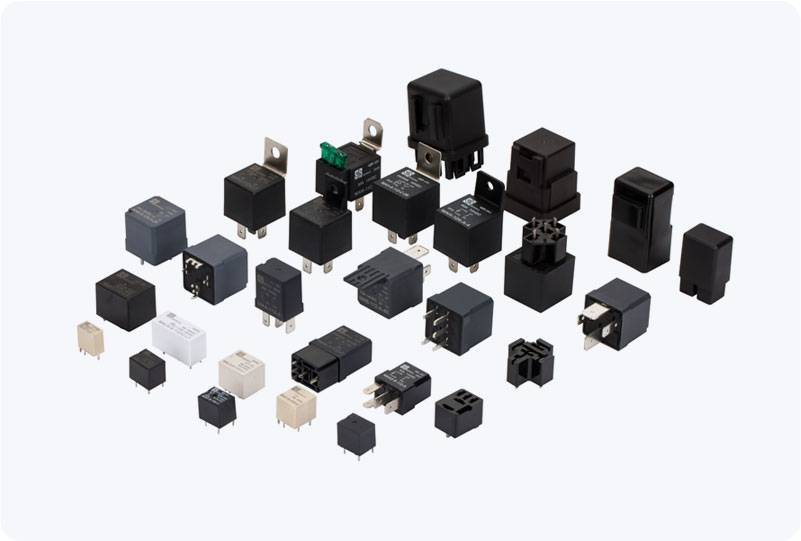
What is a Current Overload Relay? A Current Overload Relay is an electrical protection device that operates by sensing the amount of current flowing through a circuit. It is primarily used in systems with electric motors, such as industrial machinery, HVAC systems, and pumps. The relay works by monitoring the current to ensure it does not exceed a preset threshold. If the current exceeds this threshold, the relay will break the circuit, preventing the motor from running and thus avoiding potential damage. The overload relay typically uses a bimetallic strip or electronic components to detect the current. When the current increases beyond a certain level, the strip bends due to the heat generated by the excessive current, which activates the switch and opens the circuit. Alternatively, electronic overload relays may use sensors and microprocessors to measure the current and trigger protection.