The cooling system relay plays a pivotal role in maintaining the optimal operating temperature of an engine. As engines generate heat during combustion, it is crucial to manage this heat to prevent overheating and potential engine damage. The cooling system relay serves as an electrical switch that allows the engine control unit (ECU) to activate the cooling fans or water pump based on the engine’s temperature needs. In this article, we will explore the functioning, importance, and maintenance of the cooling system relay, highlighting its critical role in automotive cooling systems.
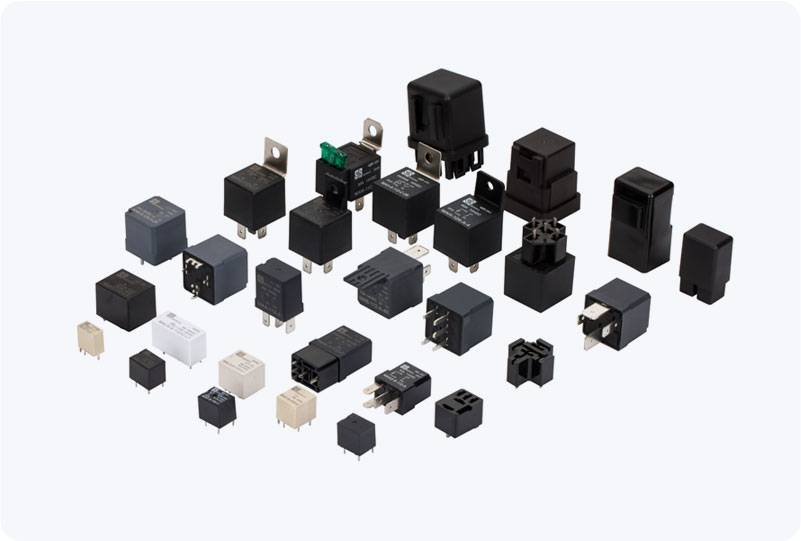
The Role of the Cooling System Relay At its core, the cooling system relay operates within the automotive cooling system, which typically consists of components like the radiator, water pump, thermostat, and cooling fans. The relay acts as an intermediary between the ECU and the cooling components, enabling precise control of when they operate. When the engine temperature rises above a predefined threshold, usually detected by a temperature sensor, the ECU sends an electrical signal to activate the cooling system relay. The relay, in response, closes its contacts, allowing current to flow to the cooling fan or water pump. This action cools the engine by circulating coolant through the radiator or increasing airflow over the engine components.