A Circuit Breaker Relay is a crucial component in modern electrical systems, designed to protect circuits and equipment from overloads, short circuits, and other faults. Combining the functions of both circuit breakers and relays, it ensures that when a fault occurs, the electrical circuit is quickly and efficiently disconnected, preventing further damage to equipment, fires, or potential hazards. This article will provide a comprehensive understanding of how Circuit Breaker Relays work, their components, and their role in electrical safety.
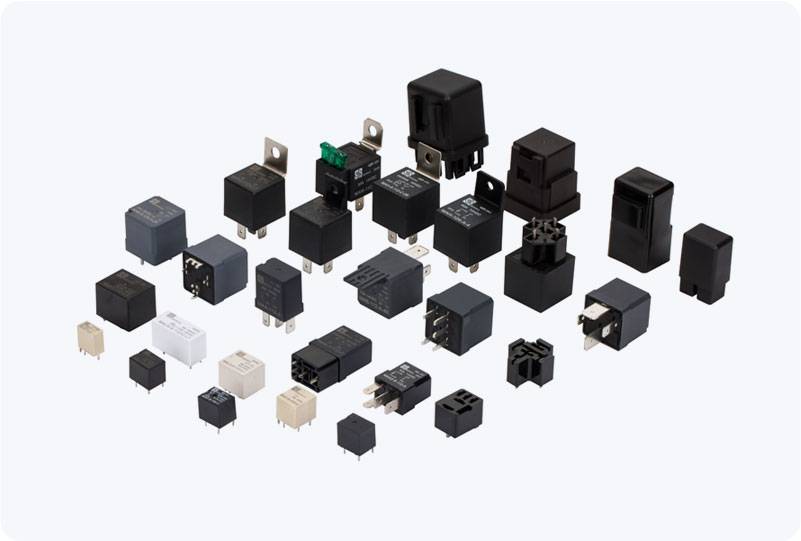
What is a Circuit Breaker Relay? A Circuit Breaker Relay is an electrical device that automatically disconnects the electrical supply to a circuit when a fault or abnormal condition is detected. It consists of two main elements: a circuit breaker that interrupts the current flow when necessary, and a relay that monitors the electrical conditions and triggers the breaker. Together, they form an integrated protection system that ensures the safety and reliability of electrical circuits in both residential and industrial settings. How Does a Circuit Breaker Relay Work? The Circuit Breaker Relay operates by monitoring the flow of electrical current through the circuit. When the current exceeds a set threshold, indicating a fault such as an overload or short circuit, the relay detects the abnormal condition. The relay then sends a signal to the circuit breaker to trip, instantly cutting off the power supply to the faulty circuit.