In the ever-evolving world of electronics and automation, the demand for reliable, eco-friendly, and regulatory-compliant components is continuously rising. One such critical component is the CE ROHS Certified Relay. This relay type not only meets stringent safety and environmental standards but also ensures the functionality and durability needed for various industrial applications. In this article, we will explore the essential aspects of CE ROHS certified relays, why they are important, and how they impact industries and consumers.
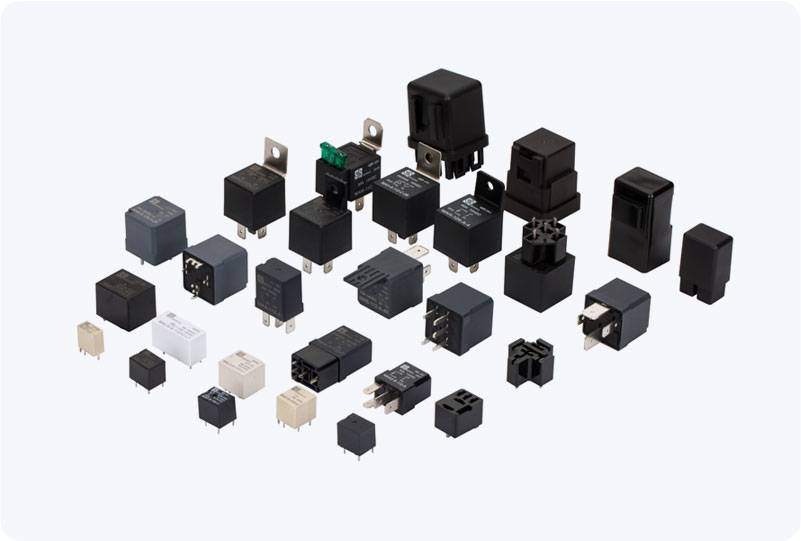
What is a CE ROHS Certified Relay? A relay is an electrical component that acts as an automatic switch, turning devices on or off based on electrical signals. The CE and ROHS certifications denote compliance with European Union (EU) directives aimed at ensuring safety, health, and environmental protection. CE (Conformité Européenne) certification indicates that the relay meets all EU regulations regarding product safety, electromagnetic compatibility (EMC), and low voltage requirements. ROHS (Restriction of Hazardous Substances) certification ensures that the relay is free from certain hazardous materials such as lead, mercury, cadmium, and other harmful substances, thereby minimizing the environmental impact.