Capacitor Precharge Circuit Relay (CPCR) is a vital component used in power electronics to protect circuits and components from potential damage due to high inrush currents when charging large capacitors. These systems are commonly found in various high-power applications such as motor drives, uninterruptible power supplies (UPS), battery management systems, and other equipment where large capacitors are used. This article delves into the working principles, applications, and importance of the Capacitor Precharge Circuit Relay, exploring how it functions to enhance the reliability and longevity of power electronic systems.
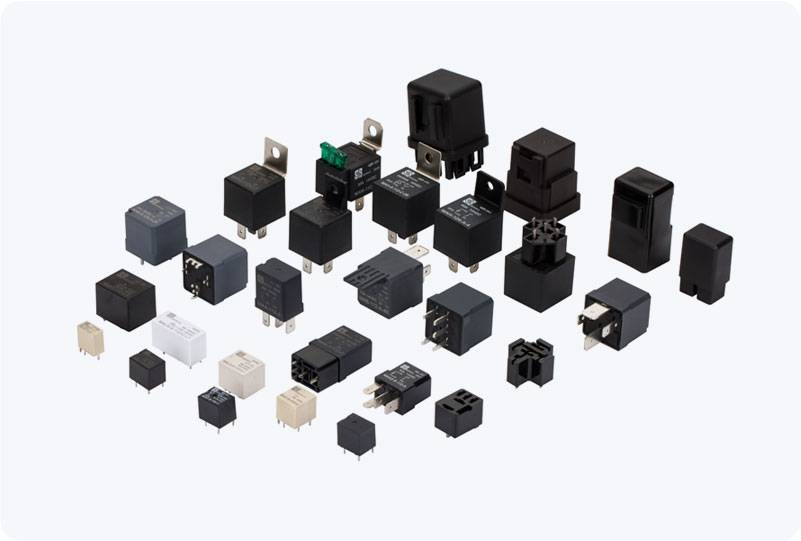
What is a Capacitor Precharge Circuit Relay? A Capacitor Precharge Circuit Relay is designed to regulate the current flowing into a capacitor during the charging process, particularly when there is a large voltage difference between the power source and the capacitor. In many power electronic applications, capacitors are used to smooth power delivery, store energy, or filter signals. However, when these capacitors are first energized, the voltage difference between the capacitor and the power source can cause an inrush current that is much higher than the circuit is designed to handle. This surge of current can potentially damage sensitive components such as the power supply or the capacitor itself.