In modern electrical systems, ensuring reliable performance while safeguarding components from damage is paramount. One of the pivotal innovations that facilitate this goal is the Capacitor Precharge Circuit Relay. This device plays a crucial role in managing the charging of capacitors in various applications, especially where high-voltage and high-current equipment are involved. In this article, we delve into what the Capacitor Precharge Circuit Relay is, how it operates, and its significance across different industries.
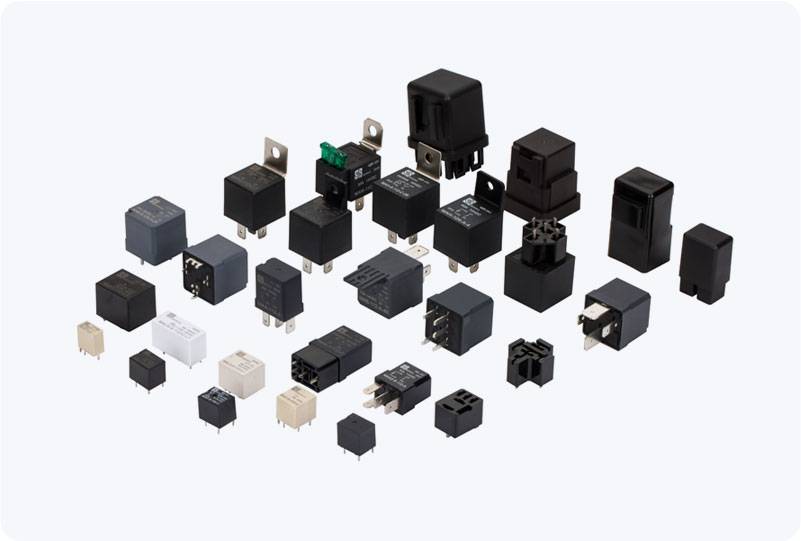
What is a Capacitor Precharge Circuit Relay? A Capacitor Precharge Circuit Relay is an electronic component designed to gradually charge capacitors before they are subjected to the full supply voltage. In many applications, especially in electric motor drives, renewable energy systems, and uninterruptible power supplies (UPS), sudden inrush currents can lead to significant electrical and mechanical stress on components, potentially causing equipment failure. The precharge relay helps mitigate these risks by introducing a controlled charging process. How Does It Work? The operation of a Capacitor Precharge Circuit Relay can be broken down into several key phases: