In the world of modern plumbing and automated irrigation systems, the Building Water Supply Solenoid Valve plays a crucial role. This innovative device serves as an essential component for controlling fluid flow in various systems, making it a staple in residential, commercial, and industrial applications. Understanding the functionality, applications, and maintenance of these valves is important for anyone involved in water supply management or automated systems.
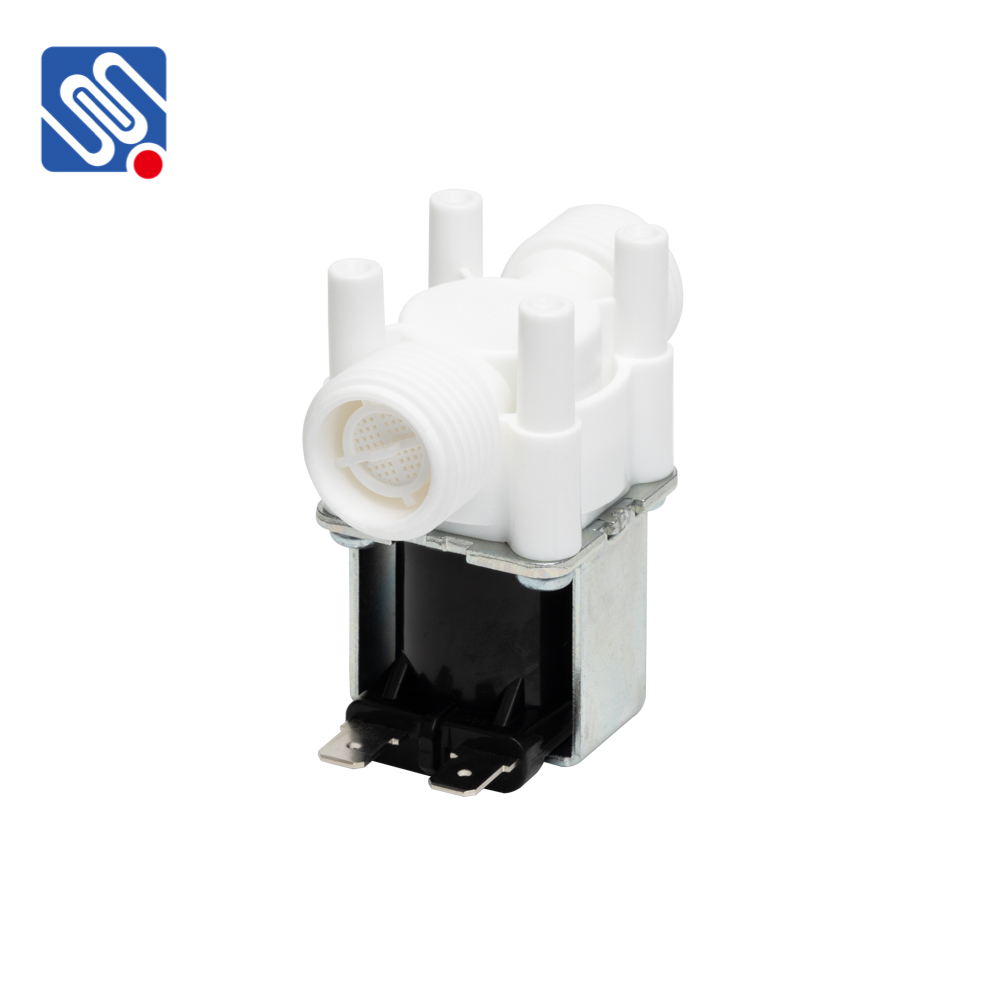
Functionality of Solenoid Valves A Building Water Supply Solenoid Valve operates on a straightforward yet effective principle. When electrical current passes through a solenoid coil, it generates a magnetic field that activates a plunger or diaphragm within the valve. This action either opens or closes the flow path, allowing or restricting water flow accordingly. The operation can be categorized as either Normally Closed (NC) or Normally Open (NO), depending on the application requirements. The speed of operation in solenoid valves is one of their greatest advantages. They can open or close almost instantaneously, making them ideal for applications where precise control over fluid flow is necessary. Additionally, solenoid valves can work continuously or intermittently without overheating, provided they are correctly specified for the task at hand.