The Building Water Supply Solenoid Valve plays a crucial role in the modern plumbing systems found in residential and commercial buildings. As a crucial component of water management, these valves offer precision control over water flow, ensuring that supply and drainage systems operate efficiently and effectively. This article delves into the functionality, applications, advantages, and maintenance of building water supply solenoid valves.
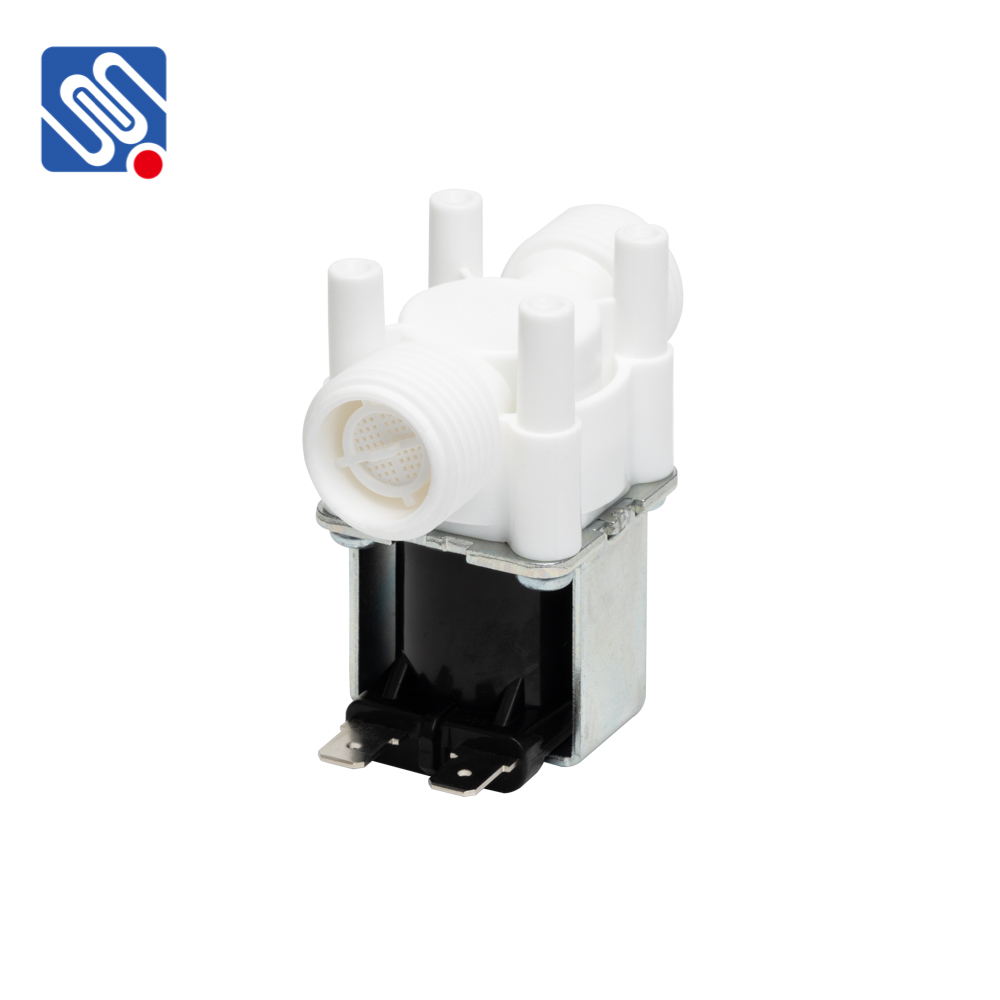
What is a Solenoid Valve? A solenoid valve is an electromechanical device that controls the flow of liquid or gas. It is composed of a coil of wire, a plunger, and a valve body. When electrical current passes through the coil, it generates a magnetic field that moves the plunger. This action opens or closes the valve, allowing or blocking the flow of water. Functionality of Building Water Supply Solenoid Valves Building water supply solenoid valves typically function in two primary modes: normally open (NO) and normally closed (NC). In a normally closed valve, the flow of water is obstructed when there is no electrical power supplied. Conversely, when power is applied, the valve opens, allowing water to flow. In a normally open valve, the opposite is true; it allows water to flow until it receives an electrical signal to close.