A bistable relay, also known as a latching relay or flip-flop relay, is a type of relay that retains its state without the need for continuous power. Unlike traditional relays that require constant current to maintain their position, bistable relays switch between two stable states and can hold their state indefinitely until another pulse is applied. This unique feature makes them an essential component in modern electronic systems, especially those where power efficiency and reliability are paramount.
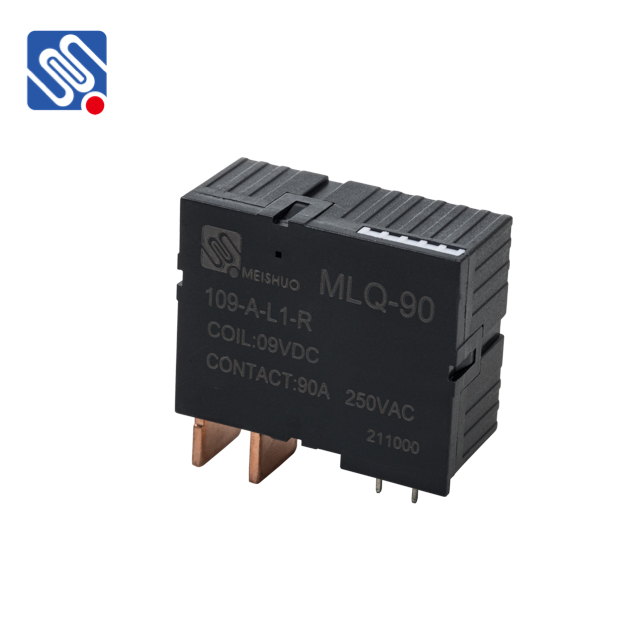
Working Principle of Bistable Relays At the core of a bistable relay’s functionality is its ability to switch between two stable states—typically, an “ON” state and an “OFF” state. The relay operates on the principle of electromagnetic force, but unlike conventional relays, bistable relays require only a brief electrical pulse to switch states. After switching, the relay remains in the new state without consuming power. There are two primary mechanisms for achieving this latching effect: Mechanical Latching: In this configuration, the relay uses a mechanical spring or latch to maintain the state after being switched by an electrical pulse.