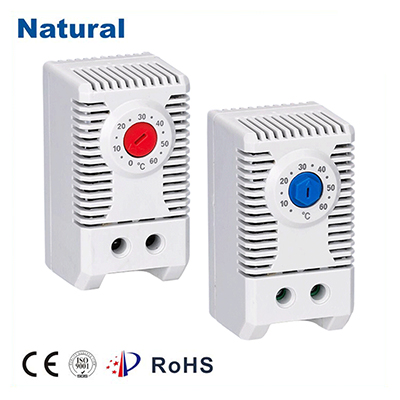
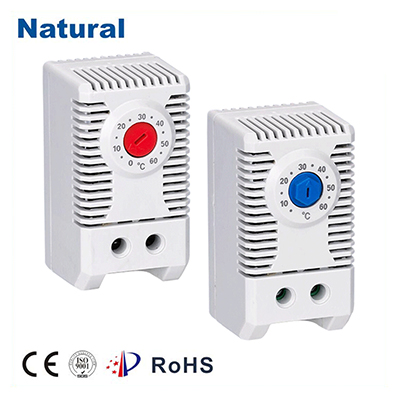
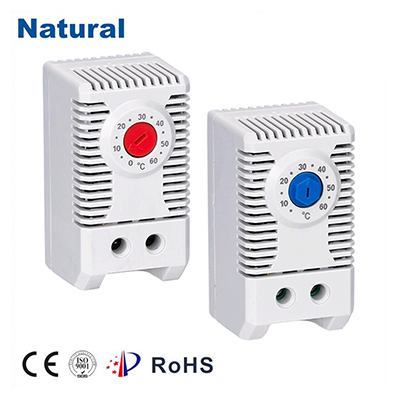
Bimetal thermostats are crucial components found in various heating and cooling systems, playing a pivotal role in maintaining desired temperature settings. These devices utilize the principles of thermal expansion to regulate temperatures in appliances, HVAC systems, automotive applications, and even industrial machinery. This article aims to explore the mechanisms, advantages, applications, and future possibilities of bimetal thermostats.
Mechanisms Behind Bimetal Thermostats
At the heart of a bimetal thermostat is a bimetallic strip, which consists of two different metals with distinct coefficients of thermal expansion. When heated, one metal expands more than the other, causing the strip to bend. This bending action is harnessed to open or close electrical contacts, thereby regulating the electrical flow to a heating or cooling element. Typically, bimetals like brass and steel or copper and iron are utilized, chosen for their specific expansion properties and durability. The design of the thermostat allows it to respond quickly to temperature changes; as the ambient temperature rises or falls, the bimetal strip reacts accordingly, ensuring precise control over temperature settings.