Automotive relays play a critical role in modern vehicles, serving as electromechanical switches that control multiple electrical circuits. Their importance cannot be understated, especially as automobiles become more complex with the integration of electronic systems. At the heart of these relays is the coil, which is responsible for creating the magnetic field that activates the relay. Understanding automotive relay coil specifications is essential for automotive engineers, technicians, and enthusiasts alike. This article delves into the key specifications that define automotive relay coils and their implications for automotive applications.
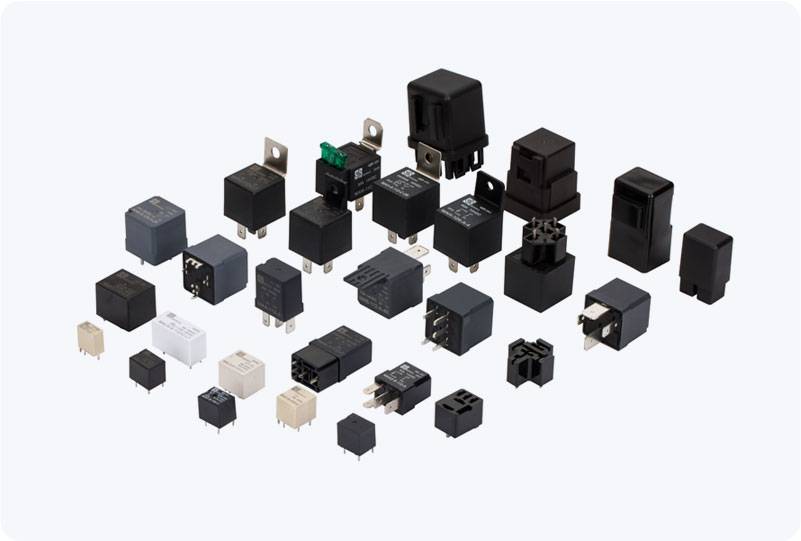
Coil Voltage The voltage rating of the relay coil is one of the first specifications to consider. Most automotive relays are designed to operate at a standard voltage of either 12V or 24V DC, aligning with the typical electrical systems found in vehicles. The 12V DC is predominantly used in passenger cars, while commercial vehicles may utilize 24V systems. Selecting a relay with the correct coil voltage is crucial, as using a relay with an incompatible voltage can lead to malfunction or damage. Coil Current Another critical specification is the coil current, which refers to the amount of current needed to energize the relay coil. Typically, automotive relay coils draw currents in the range of 50 mA to 200 mA. The current must be sufficient to create the magnetic field needed to close the relay contacts without drawing excessive power, thereby ensuring energy efficiency. It’s important for automotive designers to consider the coil current when designing circuits, as excessive current draw can lead to battery drain or overheating.