Automotive relay coils are essential components in vehicle electrical systems, acting as intermediaries that control high-current loads using low-current signals. These components are vital for ensuring the efficient and reliable operation of various electrical systems within a vehicle. Understanding automotive relay coil specifications is crucial for automotive technicians, engineers, and enthusiasts alike. This article delves into the key specifications of automotive relay coils, covering voltage ratings, current consumption, resistance, operational durability, and their practical applications.
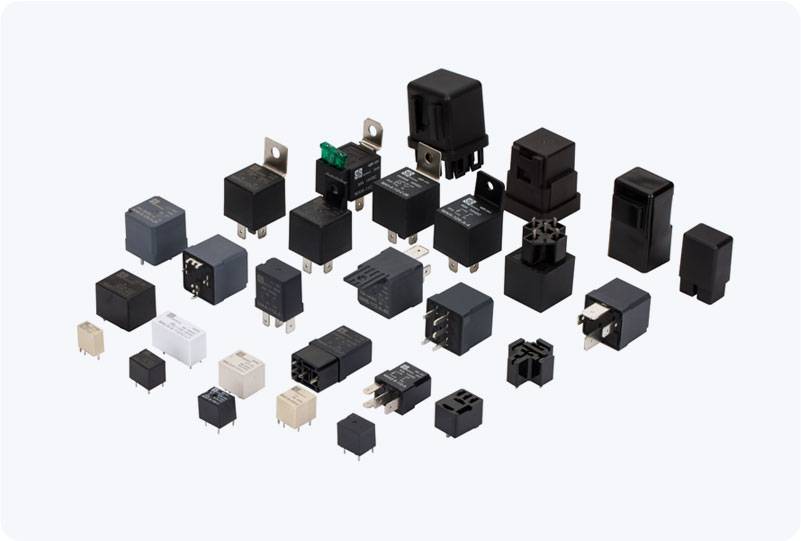
Voltage Ratings The first specification to consider for automotive relay coils is their voltage rating. Automotive relays typically operate at either 12 volts or 24 volts. The 12-volt standard is common for most cars, trucks, and SUVs, while 24-volt systems are often found in larger commercial vehicles and heavy-duty trucks. The choice of voltage affects the relay’s coil design and application, necessitating careful selection to match the vehicle’s electrical system. Using a relay with an incorrect voltage rating can result in malfunction or damage, emphasizing the importance of proper specifications.