Automotive relays are fundamental components in modern vehicles, playing a crucial role in controlling electrical circuits efficiently. At their core, automotive relays act as electrically operated switches, allowing a small current to control a much larger current. This capability makes them indispensable in automotive applications, where managing high-power devices safely is essential.
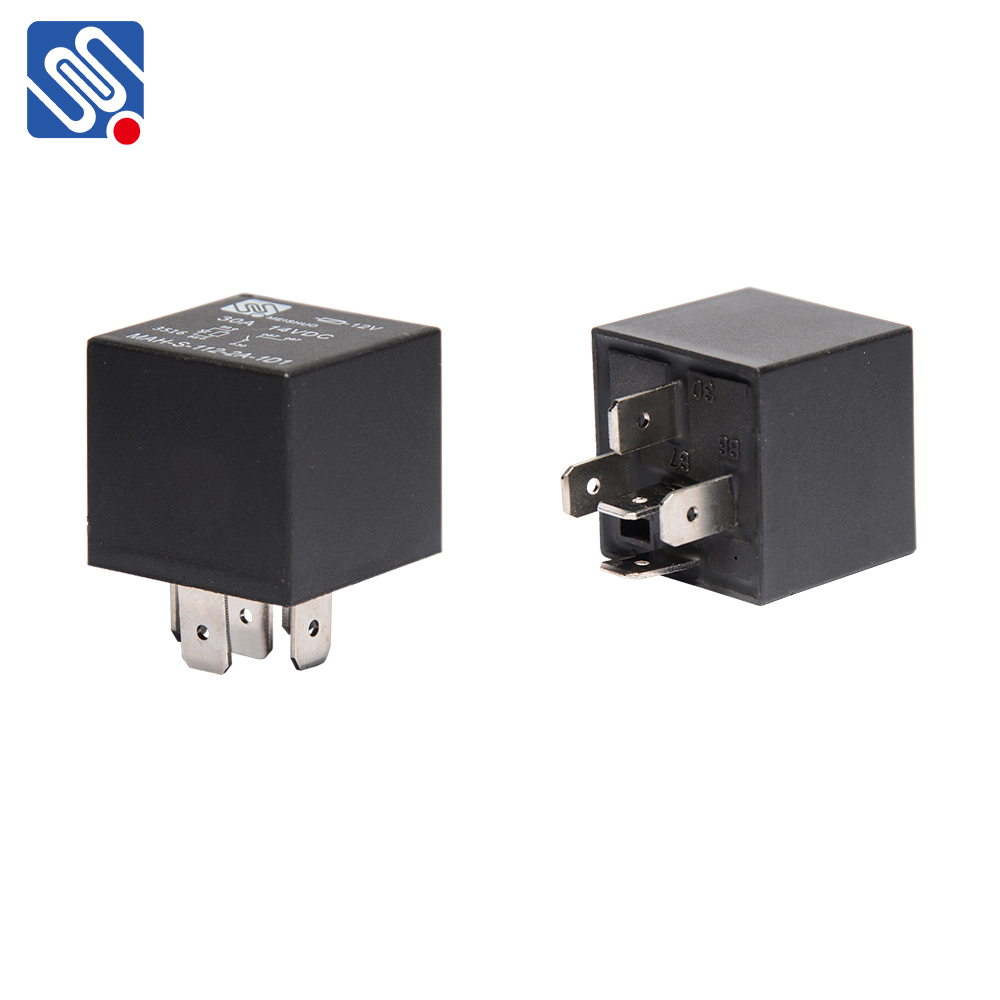
The primary function of an automotive relay is to separate the control circuit from the power circuit. By using a low-current signal to operate the relay’s coil, the relay can switch high-current loads without directly routing that high current through the control switch. This not only reduces the risk of overheating wires but also extends the lifespan of the vehicle’s control switches. Automotive relays typically consist of three main parts: the coil, the movable contact, and the fixed contact. When voltage is applied to the coil, it generates a magnetic field, attracting the movable contact to connect with the fixed contact. This action closes the circuit, allowing current to flow to the load. Once the voltage is removed, the magnetic field collapses, and the contact returns to its original position, opening the circuit. This simple yet effective mechanism enables reliable switching in automotive systems.