Automation Relay is an essential component in modern industrial control systems, enabling automation and remote control of machinery, electrical circuits, and devices. These relays serve as intermediary devices that switch electrical circuits based on control signals, enhancing efficiency, safety, and reliability in industrial processes. The role of automation relays in today’s industries cannot be overstated, as they form the backbone of many automated systems in manufacturing plants, energy sectors, and more. In this article, we will explore the key features, types, and applications of automation relays, highlighting their importance in various fields.
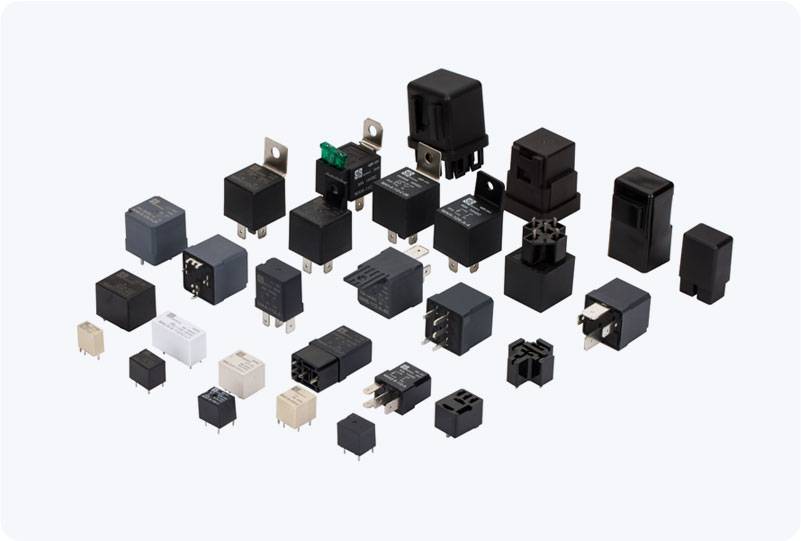
What is an Automation Relay? An automation relay is an electrically operated switch that allows the control of an electrical circuit by opening or closing contacts based on input signals. It typically comprises a coil, which, when energized, creates a magnetic field that pulls a movable armature, causing the contacts to either close or open. This action allows the relay to control a larger current using a smaller control signal, making it ideal for use in automation systems where multiple devices need to be controlled simultaneously. Types of Automation Relays There are several types of automation relays, each suited for specific applications. Some of the most common types include: