In the realm of electrical engineering, protecting equipment and ensuring safety is paramount, especially in applications involving heavy machinery and high loads. One critical component that plays a significant role in safeguarding electrical circuits is the Arc Suppression Relay. This device is designed specifically to detect and mitigate the risks associated with electrical arcing, a phenomenon that can cause significant damage to electrical components and pose serious safety hazards.
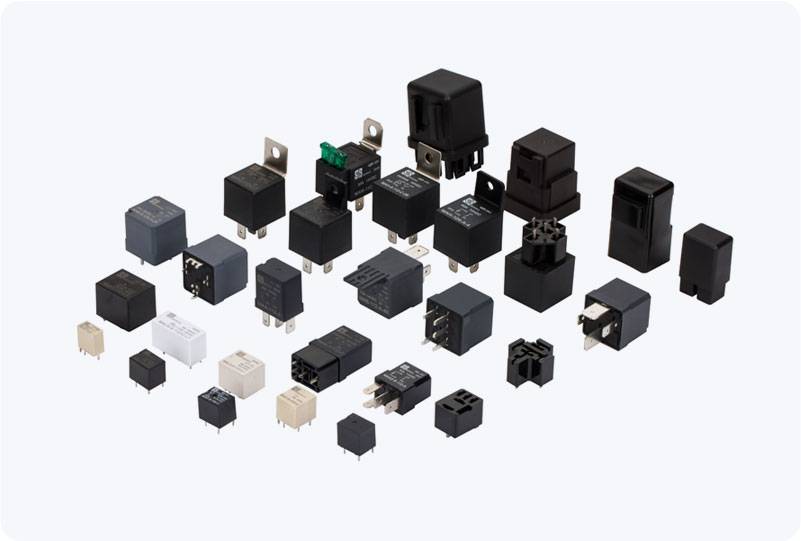
What is an Arc Suppression Relay? An Arc Suppression Relay (ASR) is a protective relay that monitors electrical circuits for signs of arc formation during the switching processes of electrical loads, particularly in motors and large inductive loads. When a circuit is opened or closed, the sudden break or make of an electrical connection can create an arc — a visible, high-temperature discharge of electricity that occurs when current jumps across a gap. These arcs can lead to damage, overheating, or even fires if not controlled effectively. How Does an Arc Suppression Relay Work? The primary function of an Arc Suppression Relay is to continuously monitor electrical parameters such as voltage and current. In the event of rapid fluctuations that indicate the onset of arcing, the ASR will quickly interrupt the circuit by activating a disconnect mechanism. This rapid response minimizes the duration and intensity of the arc, thereby reducing the risk of damage to the system.