In various industrial applications, the efficient control of fluid flow is of paramount importance. One of the most effective means of achieving this control is through the use of an AC Solenoid Valve. These devices serve as essential components in numerous systems, allowing for rapid and precise regulation of gases and liquids. In this article, we will delve into the working principle, types, applications, advantages, and considerations when using AC solenoid valves.
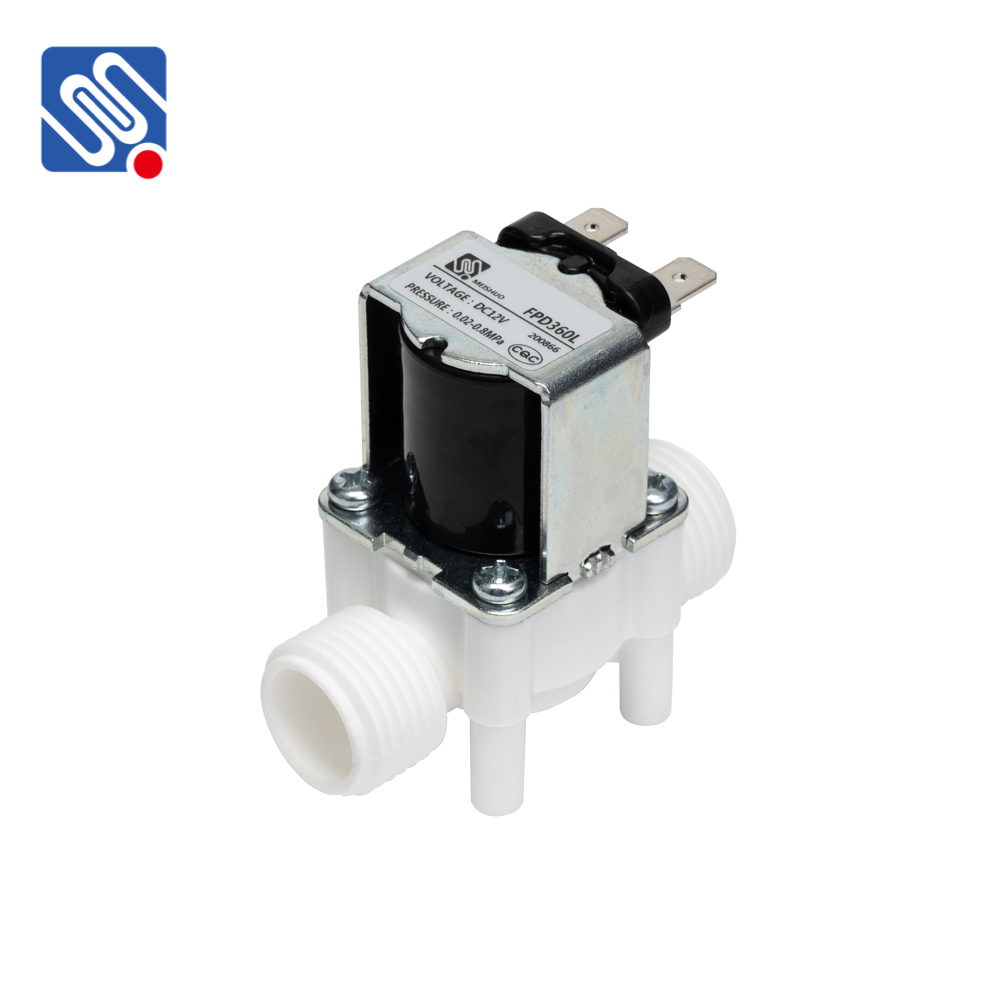
Working Principle An AC solenoid valve operates on a simple yet effective principle that utilizes electromagnetic force to control the opening and closing of a valve in a fluid system. At the core of the solenoid valve is an electromagnetic coil. When alternating current (AC) is supplied to this coil, it generates a magnetic field that activates the valve mechanism. This mechanism typically includes a piston or a plunger, which, when attracted by the magnetic field, either opens or closes the valve, thereby controlling fluid flow. When the power supply is cut off, the magnetic field dissipates, and the valve returns to its initial state, often aided by a spring mechanism. This functionality provides a rapid response to changes in the actuator’s electrical input, making AC solenoid valves ideal for automated control applications.