The rapid growth of 5G technology has transformed the way we connect, communicate, and consume data. One of the critical components that enable this transformation is the 5G base station relay, a technology designed to extend network coverage, improve signal quality, and enhance overall network performance. As 5G networks continue to evolve, understanding the role and functionality of base station relays becomes essential for network planners, engineers, and end-users alike.
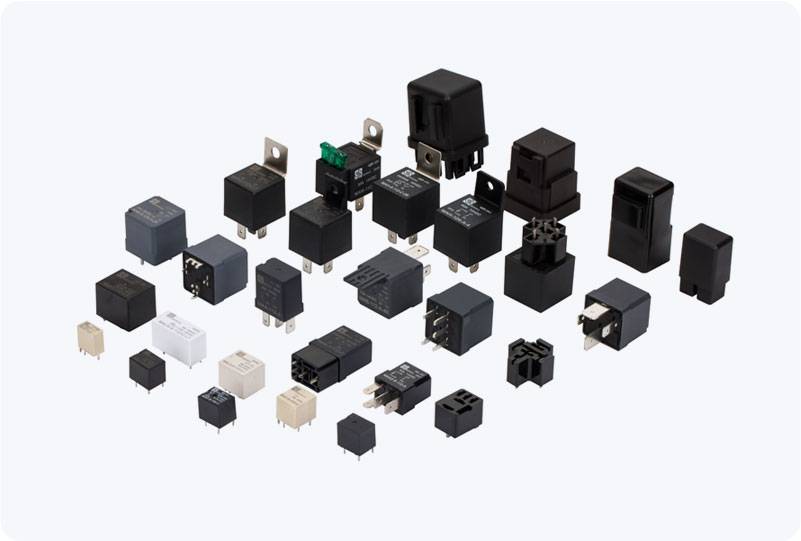
A 5G base station relay acts as an intermediary between the main 5G base station and areas that are difficult to reach directly. It receives signals from the primary base station and retransmits them to locations that may be obstructed by buildings, geographical barriers, or simply too far from the main station. This relay function ensures that users experience a stable and high-quality connection even in areas where direct coverage is challenging. One of the primary benefits of 5G base station relays is the expansion of network coverage. In urban environments, tall buildings and dense infrastructure often create “dead zones” where mobile devices struggle to connect. By strategically deploying relay stations, network operators can fill these coverage gaps, allowing seamless connectivity in high-density urban areas. Similarly, in rural or remote regions, where installing multiple base stations is cost-prohibitive, relays provide an effective solution for extending network reach without significant infrastructure investment.