A 24VDC relay is a critical component in electrical and automation systems, widely used for switching circuits on and off in response to a control signal. This electromechanical device can either open or close contacts depending on the application, making it integral in various fields such as industrial automation, home automation, and motor control. The relay’s ability to control large currents with a low-power signal makes it indispensable in modern electronic systems. In this article, we’ll explore the working principles, features, and applications of a 24VDC relay.
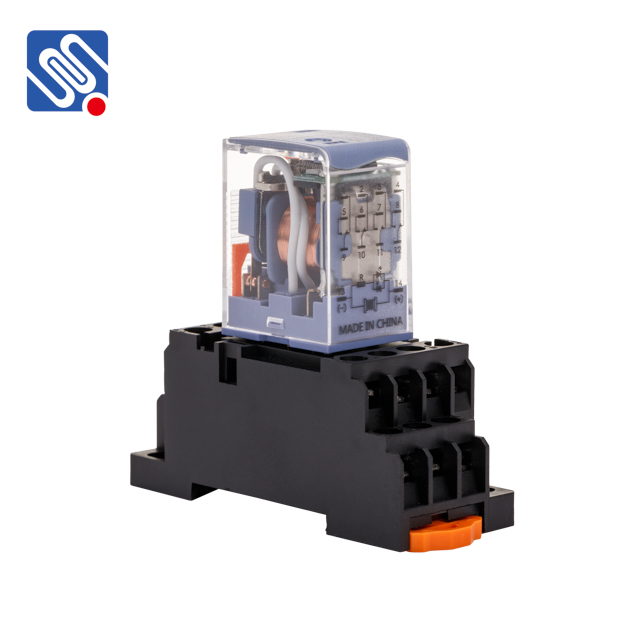
What is a 24VDC Relay? A 24VDC relay consists of two main parts: the coil and the contacts. The coil is powered by a 24V direct current (DC) voltage, which activates the relay by creating a magnetic field. This magnetic field either attracts or repels a moving armature, which in turn changes the state of the relay’s contacts. These contacts can either be normally open (NO) or normally closed (NC), and the relay switches between these states based on the presence or absence of the control signal (24VDC). The 24VDC voltage requirement means that the relay is commonly used in systems where low-voltage DC control circuits are required. This could be in automotive systems, microcontroller-based automation, or low-power control panels.