The 24V DC Industrial Relay is a crucial electrical component widely used in various industrial automation and control systems. These relays are designed to control high-power electrical devices using low voltage signals, making them essential in applications ranging from industrial equipment to home automation. This article will explore the working principle, applications, advantages, and considerations for selecting a 24V DC industrial relay.
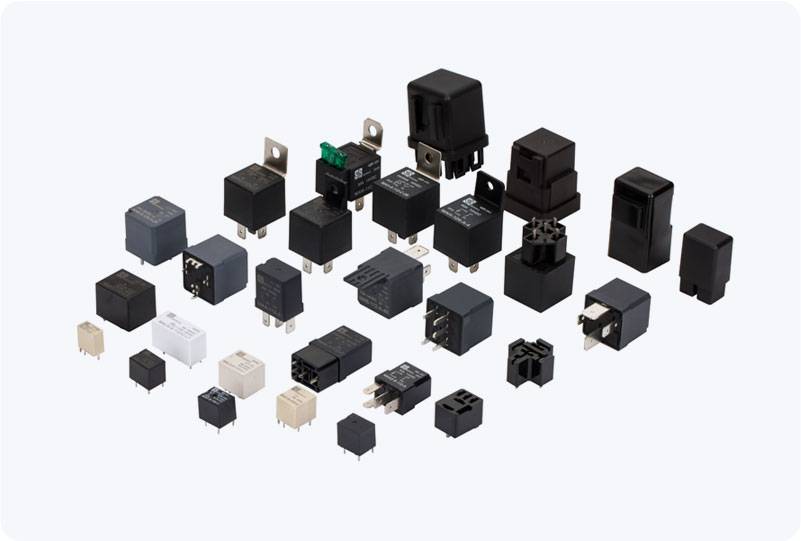
What is a 24V DC Industrial Relay? At its core, a relay is an electromagnetic switch that uses a low voltage control signal to manage the operation of high voltage or high-current circuits. The 24V DC industrial relay is specifically designed to operate with a 24V DC input signal, which is standard in many industrial and control systems. Relays act as intermediaries, switching power to larger devices like motors, lights, and machinery while keeping the control circuit isolated from high-voltage parts. Working Principle The 24V DC relay operates based on an electromagnetic principle. When a 24V DC voltage is applied to the relay’s coil, it creates a magnetic field that attracts a movable armature. This movement opens or closes the relay’s contacts, thus controlling the flow of current in the connected circuit.