A 12V relay is an essential electronic component widely used in various fields such as automotive, home automation, and industrial control systems. This article will provide a detailed overview of what a 12V relay is, how it works, its various types, and common applications. Understanding the functionality of a 12V relay is crucial for anyone working with electrical circuits or designing automated systems.
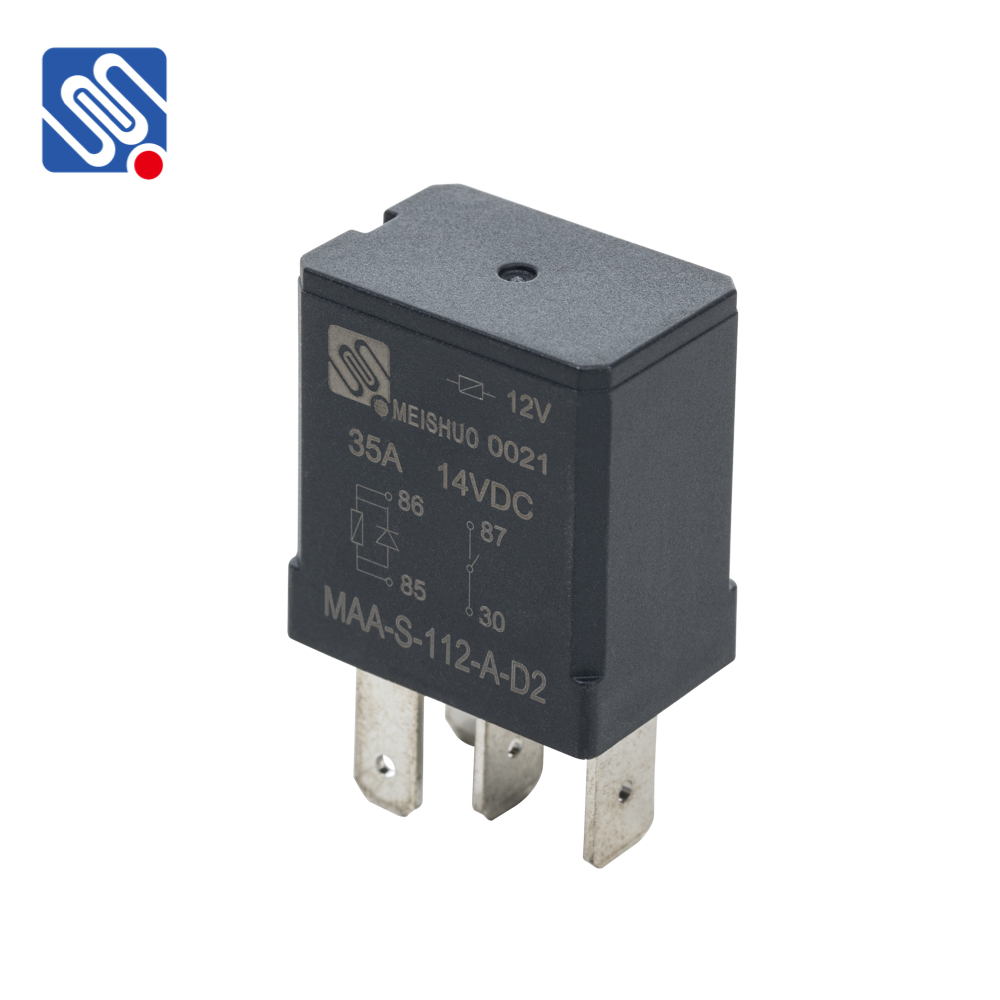
What is a 12V Relay? A 12V relay is an electromagnetic switch that uses a low voltage (12V) control signal to control a high voltage or high current circuit. It is essentially a device that opens or closes a set of contacts in response to an electrical signal. The relay consists of two primary components: the coil (or electromagnet) and the switch (or contacts). Coil: This is the part of the relay that receives the 12V input. When a current flows through the coil, it generates a magnetic field. Switch (Contacts): The switch contains multiple sets of contacts, including normally open (NO), normally closed (NC), and common (COM) contacts. The contacts can either connect or disconnect a circuit depending on the relay’s state.