Time Delay Relay (TDR) is a critical component in various electrical and automation systems. Its main purpose is to introduce a time delay between the input and output of a circuit, allowing for precise control over the timing of electrical operations. This article explores the function, working principle, types, and common applications of Time Delay Relays in modern technology.
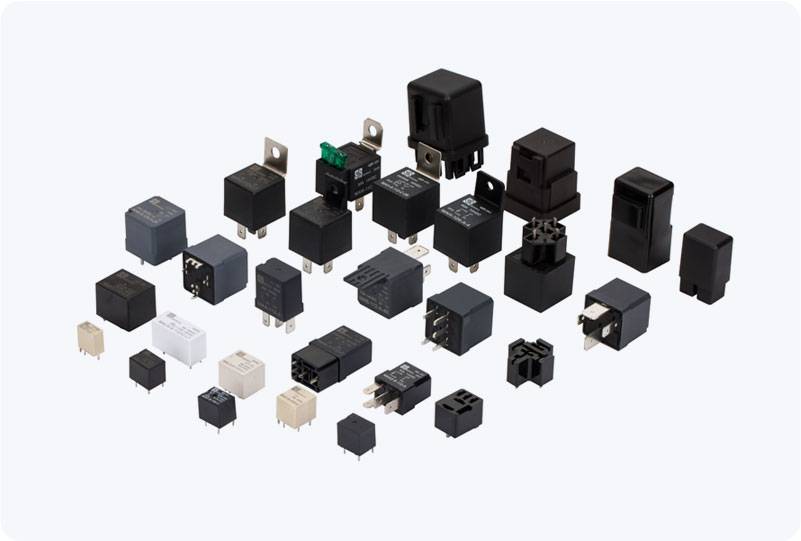
What is a Time Delay Relay? A Time Delay Relay is a type of relay designed to delay the activation or deactivation of a circuit for a specified period after receiving an input signal. Unlike standard relays that act immediately upon receiving an input, a TDR introduces a time lapse before the output is triggered. This delay can range from milliseconds to several minutes, depending on the requirements of the system. The purpose of such a delay is often to ensure that certain devices are activated or deactivated at the right moment, which is essential in automation and safety applications. Time Delay Relays help prevent equipment damage, reduce wear and tear, and enhance the overall efficiency of the system.