Low voltage solenoid valves are crucial components in various industries, playing a pivotal role in controlling fluid flow with efficiency and precision. Operating on low voltage – often 12V or 24V – these valves offer safety and reliability in environments where higher voltages may pose risks. This article explores the design, working principles, advantages, and wide-ranging applications of low voltage solenoid valves, showcasing their importance in modern industrial and domestic applications.
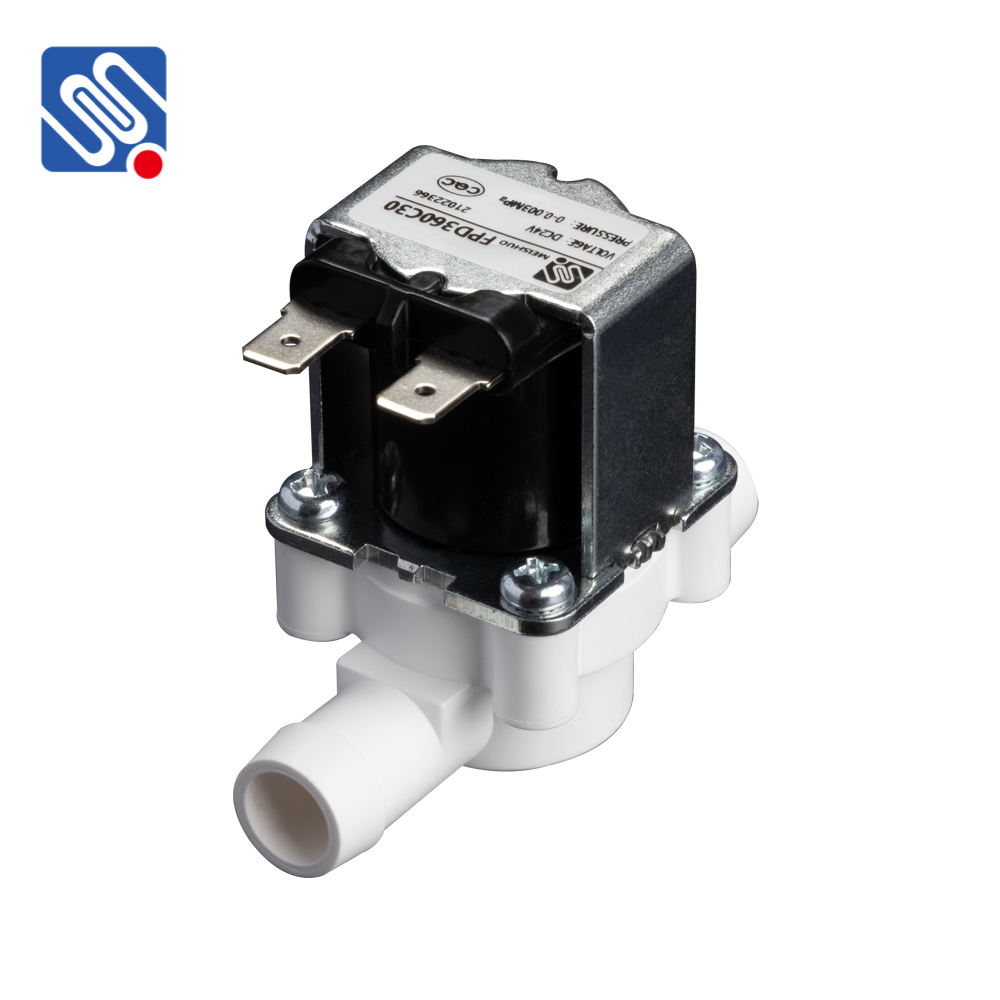
Understanding Low Voltage Solenoid Valves A low voltage solenoid valve consists of an electromagnetic coil that, when energized, creates a magnetic field. This magnetic field acts upon a movable component known as the armature, leading to the opening or closing of the valve. The design typically includes essential components such as a valve body, seat, spring, and electrical terminals, all integrated to control the passage of fluids, which can be gases or liquids. The simplicity of their operation and the ability to automate flow control make them invaluable in various systems. Working Principle