In today’s fast-paced world, where water conservation is becoming increasingly important, automated irrigation systems play a crucial role in optimizing water use. One of the most essential components in these systems is the Watering System Solenoid Valve. This small but powerful device ensures the precise control of water flow to plants, gardens, lawns, and agricultural fields. In this article, we will explore the significance of solenoid valves in watering systems, their functionality, benefits, and how they contribute to sustainable irrigation practices.
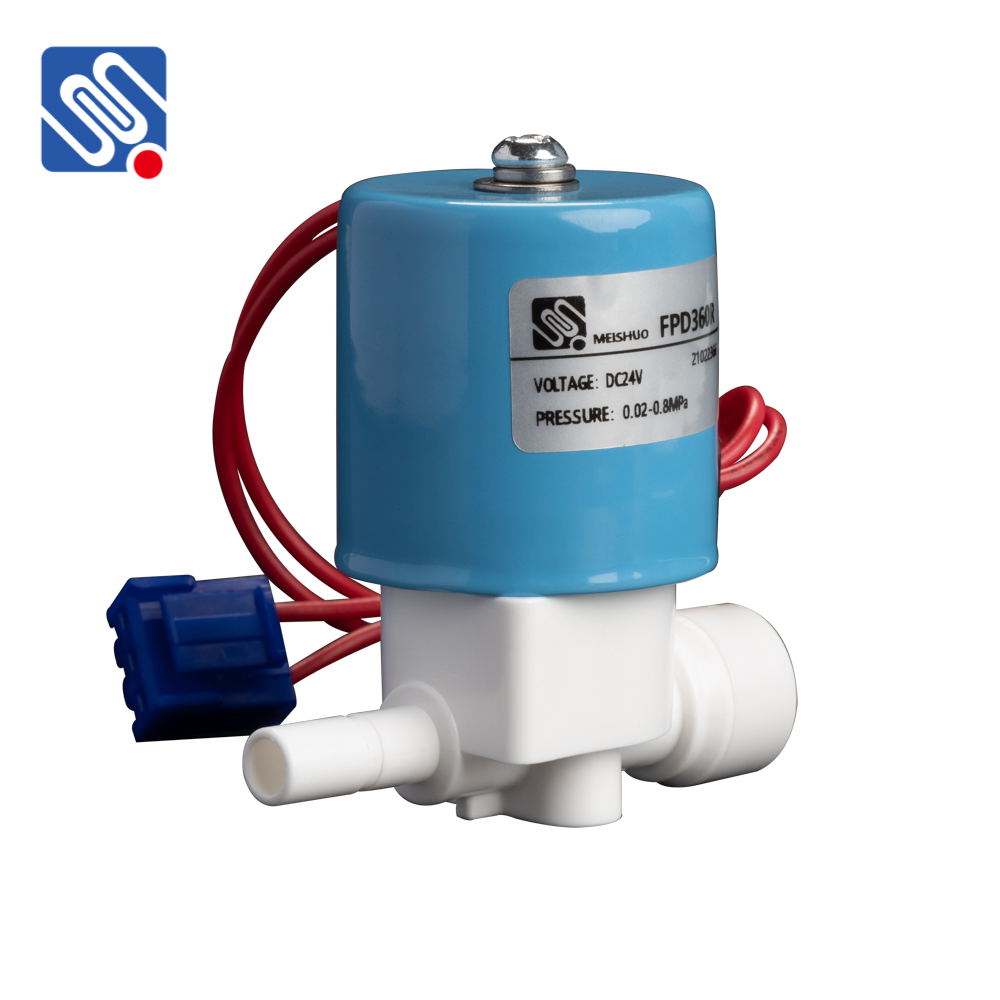
What is a Watering System Solenoid Valve? A Watering System Solenoid Valve is an electromechanical valve that controls the flow of water in an irrigation system. It is operated by an electric current that energizes a solenoid, which in turn opens or closes the valve. These valves are crucial for the automation of irrigation systems, as they can be programmed to open and close at specific times or based on moisture levels, ensuring that water is delivered only when necessary. The solenoid valve’s basic components include a solenoid coil, a valve body, a diaphragm or piston, and a spring. The solenoid coil is activated by the irrigation controller, which sends an electric signal when it is time to water. The solenoid then pulls a plunger or diaphragm, opening the valve and allowing water to flow. Once the watering cycle is complete, the solenoid releases the plunger, and the spring closes the valve, stopping the water flow.